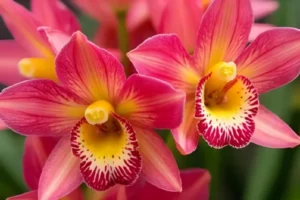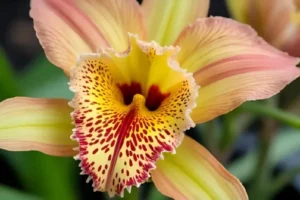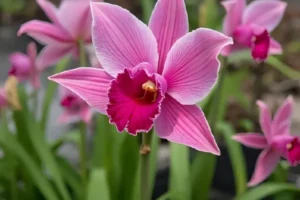
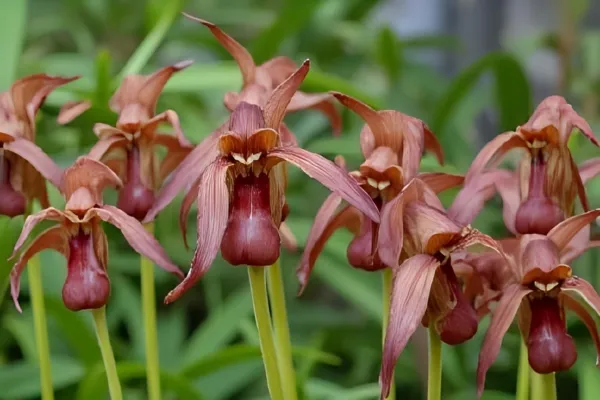
Did you know that Paphiopedilum orchids can live for over 50 years when properly cared for, with some specimens in botanical collections dating back to the Victorian era? These remarkable “slipper orchids” represent one of nature’s most sophisticated evolutionary achievements, yet many enthusiasts abandon them after their first failed attempt.
Here’s the challenge: Paphiopedilums have earned an undeserved reputation as “difficult” orchids, leaving countless growers frustrated with yellowing leaves, rotting roots, and plants that seem to deteriorate despite their best intentions. The truth is, these magnificent terrestrial orchids simply follow different rules than their epiphytic cousins.
Here’s what you’ll master: By the end of this comprehensive guide, you’ll possess the exact techniques used by professional growers to maintain thriving Paphiopedilum collections. You’ll understand their unique requirements, master their care routine, and develop the confidence to grow these stunning orchids successfully for decades.
Understanding Paphiopedilum Orchids: The Beginner’s Foundation
Paphiopedilum orchids, commonly known as slipper orchids or lady slipper orchids, belong to a unique genus of terrestrial and semi-terrestrial orchids native to Southeast Asia. Unlike most popular orchids that grow on trees (epiphytes), Paphiopedilums naturally grow in forest floor environments, creating fundamental differences in their care requirements.
Key Characteristics That Define Paphiopedilums
These orchids are distinguished by their distinctive pouch-shaped lip (labellum) that resembles a slipper, hence their common name. According to research from the Royal Botanic Gardens, Kew, there are approximately 80 recognized Paphiopedilum species, each adapted to specific microenvironments ranging from limestone cliffs to moss-covered forest floors.
The growth pattern follows a sympodial structure, meaning new growths emerge from the base of the plant rather than extending from a central point. Each growth typically produces 4-8 leaves arranged in a fan formation, with mature growths capable of blooming annually.
Species Categories for Beginners
Complex Hybrids represent the most forgiving option for newcomers. These robust plants, developed through decades of selective breeding, combine the best traits of multiple species. Popular examples include Paphiopedilum Maudiae-type hybrids, which feature mottled foliage and consistent blooming patterns.
Brachypetalum Section orchids, including P. concolor and P. bellatulum, offer compact growth and stunning spotted flowers. Research from the American Orchid Society indicates these species adapt well to indoor conditions with proper humidity management.
Barbatum Section species like P. barbatum and P. lawrenceanum provide excellent introduction to species growing, featuring distinctive markings and relatively straightforward care requirements.
Understanding Natural Habitat Requirements
Wild Paphiopedilums inhabit environments with consistent moisture, filtered light, and excellent drainage. Studies from the University of California’s botanical research division demonstrate that successful cultivation replicates these three critical factors: stable moisture levels around the roots, bright indirect light similar to forest understory conditions, and growing media that drains freely while retaining adequate moisture.
Essential Light Requirements for Thriving Slipper Orchids
Light management represents perhaps the most critical factor in Paphiopedilum success, yet it’s frequently misunderstood. These orchids require significantly different lighting than popular Phalaenopsis or Cattleya orchids.
Optimal Light Levels and Intensity
Research conducted by the Orchid Research Institute establishes that Paphiopedilums thrive under 800-1,500 foot-candles of light intensity. This translates to bright, indirect light that never includes direct sunlight exposure. Direct sun exposure, even for brief periods, can cause permanent leaf damage and stress-induced growth problems.
The quality of light matters as much as quantity. Studies from Cornell University’s horticulture department demonstrate that Paphiopedilums respond best to full-spectrum lighting that includes both blue and red wavelengths, similar to filtered forest light.
Indoor Lighting Strategies
East or North-facing windows provide ideal natural lighting conditions. East windows offer gentle morning sun followed by bright indirect light throughout the day. North windows provide consistent, moderate light levels without intensity fluctuations.
Artificial lighting solutions work exceptionally well for Paphiopedilums. LED grow lights positioned 12-18 inches above the plants, operating 12-14 hours daily, provide consistent conditions regardless of seasonal changes. The Australian National Botanic Gardens reports excellent results using full-spectrum LEDs with color temperatures between 4000K-6500K.
Seasonal Light Adjustments
Winter months require careful attention to light supplementation. As natural daylight decreases, Paphiopedilums benefit from extended artificial lighting periods or supplemental grow lights. However, avoid sudden increases in light intensity, which can shock the plants.
Summer management focuses on preventing excessive light exposure. Sheer curtains or shade cloth reducing light intensity by 30-50% prevent leaf burn while maintaining adequate photosynthesis levels.
Recognizing Light-Related Problems
Insufficient light symptoms include elongated leaf growth, pale green coloration, and reduced flowering. Leaves may appear stretched and weak, with new growths failing to mature properly.
Excessive light damage manifests as yellowing or reddening leaves, particularly on leaf tips and edges. Severe cases develop brown or black burned areas that cannot recover.
Mastering Paphiopedilum Watering and Humidity Control
Proper watering technique distinguishes successful Paphiopedilum growers from those who struggle with root rot and plant decline. These orchids require consistent moisture management that balances hydration with drainage.
Understanding Water Quality Requirements
Water quality significantly impacts Paphiopedilum health. Research from the University of Florida’s IFAS Extension demonstrates that these orchids perform best with water having low dissolved solids (under 150 ppm TDS) and neutral to slightly acidic pH (6.0-6.8).
Rainwater collection provides the ideal water source when available. Stored rainwater should be used within one week to prevent bacterial growth, and collection systems should avoid roof materials containing harmful chemicals.
Reverse osmosis water offers consistent quality for regular use. Many successful growers blend RO water with small amounts of tap water (10-20%) to provide trace minerals while maintaining low overall dissolved solids.
Watering Frequency and Technique
Unlike epiphytic orchids that benefit from complete drying between waterings, Paphiopedilums require consistent moisture around their roots. The growing medium should approach dryness but never become completely dry.
Weekly watering schedules work well for most situations, with adjustments based on environmental conditions. During active growth periods (spring through fall), watering may be required every 5-6 days. Winter months often extend intervals to 7-10 days.
Watering technique involves thoroughly saturating the growing medium until water flows freely from drainage holes. This ensures complete root hydration and flushes accumulated salts from the medium. Water early in the day to allow surface moisture to evaporate before evening.
Humidity Management Strategies
Paphiopedilums thrive with humidity levels between 50-70%. According to the Missouri Botanical Garden’s research, consistent humidity levels prove more important than achieving exact target percentages.
Humidity trays filled with expanded clay pellets or gravel provide localized humidity increases. The water level should remain below the pot bottom to prevent root zone saturation.
Grouping plants together creates beneficial microclimates where transpiration from multiple plants increases local humidity. This technique works particularly well for small collections.
Whole-room humidification using cool-mist humidifiers provides the most stable environment for larger collections. Target humidity levels between 50-60% to balance plant health with human comfort and prevent mold issues.
Seasonal Watering Adjustments
Spring and summer active growth periods require more frequent watering as plants utilize increased moisture for new growth development. Monitor growing medium moisture daily during peak growing seasons.
Fall and winter dormancy periods allow extended intervals between waterings. However, Paphiopedilums never enter complete dormancy, so maintaining consistent moisture remains important even when growth slows.
Complete Potting and Repotting Guide for Healthy Growth
Proper potting medium and repotting timing directly influence Paphiopedilum root health and overall vigor. These terrestrial orchids require different approaches than epiphytic species.
Selecting the Right Potting Medium
The ideal Paphiopedilum growing medium balances moisture retention with excellent drainage while providing stability for the root system. Research from the American Orchid Society identifies several successful medium combinations.
Primary medium components include fine-grade fir bark, sphagnum moss, and perlite. The ratio typically ranges from 40% bark, 30% sphagnum moss, and 30% perlite, creating a medium that retains moisture while allowing air circulation around roots.
Additional amendments enhance medium performance. Coconut husk chips add structure and slow decomposition. Small amounts of charcoal (5-10%) help maintain medium freshness and absorb impurities. Limestone chips benefit species that naturally grow on calcareous substrates.
Commercial mixes designed specifically for Paphiopedilums provide convenient alternatives. Look for mixes that list fine bark, moss, and drainage materials as primary components, avoiding mixes with large bark chunks suitable for epiphytic orchids.
Repotting Timing and Frequency
Annual repotting ensures optimal growing conditions for most Paphiopedilums. These orchids benefit from fresh medium more frequently than epiphytic species because their terrestrial nature causes faster medium decomposition.
Optimal timing occurs during active growth periods, typically spring or early summer. Look for new growth emergence or fresh root development as indicators of appropriate repotting timing.
Emergency repotting becomes necessary when plants show signs of medium breakdown, including foul odors, mushy texture, or root rot symptoms. These situations require immediate attention regardless of season.
Step-by-Step Repotting Process
Preparation phase involves gathering all materials: fresh potting medium, appropriate-sized pots, sterile tools, and fungicide treatment if root problems are present.
Removal and inspection begins with carefully removing the plant from its current pot. Gently shake away old medium and examine roots for health. Healthy roots appear white to light green, while damaged roots show brown or black coloration.
Root system maintenance includes removing damaged roots with sterile tools. Cut back rotted areas to healthy tissue, and dust cut surfaces with fungicide powder to prevent infection.
Pot selection should provide adequate space for 1-2 years of growth. Paphiopedilums prefer snug conditions rather than oversized pots that retain excessive moisture.
Planting technique involves placing the plant at the same depth as previously grown, with the newest growth positioned to allow space for future development. Fill around roots with fresh medium, tapping gently to eliminate air pockets without compacting.
Post-Repotting Care
Initial watering should be delayed for 3-5 days after repotting to allow any damaged roots to callus and prevent rot. When watering resumes, use a lighter approach for the first few weeks.
Environmental adjustments include reduced light levels and increased humidity during the establishment period. This reduces stress while new roots develop in the fresh medium.
Monitoring progress involves watching for new root development and growth resumption, typically occurring within 2-4 weeks under proper conditions.
Troubleshooting Common Paphiopedilum Problems
Even experienced growers encounter challenges with Paphiopedilum cultivation. Understanding common problems and their solutions ensures long-term success with these magnificent orchids.
Root Rot Prevention and Treatment
Root rot represents the most serious threat to Paphiopedilum health, often developing from excessive moisture, poor drainage, or contaminated growing medium.
Prevention strategies focus on proper watering technique and medium selection. Ensure growing medium drains freely while maintaining consistent moisture. Use quality water with low dissolved solids, and maintain proper pot sizing to prevent moisture accumulation.
Early detection involves regularly monitoring root health during watering. Healthy roots appear firm and white to light green, while infected roots show brown or black coloration and mushy texture.
Treatment protocol requires immediate repotting with complete medium replacement. Remove all damaged root material with sterile tools, treat remaining healthy roots with fungicide, and replant in fresh, sterile medium. Reduce watering frequency during recovery.
Leaf Problems and Solutions
Yellowing leaves often indicate watering issues, light stress, or natural aging. Lower leaves naturally yellow and drop as plants mature, but sudden yellowing of multiple leaves suggests environmental problems.
Brown leaf tips typically result from water quality issues, particularly excessive dissolved solids or fluoride content. Switch to rainwater or reverse osmosis water to prevent continued damage.
Soft, mushy leaves indicate serious problems, often bacterial or fungal infections. Remove affected leaves immediately with sterile tools and treat the plant with appropriate fungicide or bactericide.
Flowering Issues
Failure to bloom frustrates many growers, particularly when plants appear otherwise healthy. Flowering requires mature growth, proper light levels, and temperature fluctuations between day and night.
Bud blast occurs when developing flower buds die before opening. Common causes include sudden environmental changes, improper watering, or extreme temperature fluctuations.
Short flower longevity may result from environmental stress, poor air circulation, or genetic factors. Proper care extends flower life to 6-12 weeks for most species and hybrids.
Growth Problems
Stunted growth often indicates insufficient light, poor root health, or nutritional deficiencies. Evaluate growing conditions systematically and address any deficiencies.
Soft growth suggests excessive moisture, poor air circulation, or bacterial problems. Improve ventilation and adjust watering practices to promote firm, healthy growth.
Fertilization Guidelines
Regular feeding supports healthy growth and flowering. Use balanced, low-concentration fertilizers (quarter strength) weekly during growing season, reducing to monthly during winter.
Fertilizer selection should emphasize low-salt formulations designed for orchids. Avoid fertilizers with high nitrogen content, which can promote soft growth susceptible to disease.
Application timing coordinates with watering schedules. Apply fertilizer to moist medium, never to dry roots, and flush with plain water monthly to prevent salt accumulation.
Conclusão
Growing Paphiopedilum orchids successfully requires understanding their unique terrestrial nature and providing consistent, appropriate care. Unlike their epiphytic relatives, these slipper orchids thrive with steady moisture, filtered light, and rich growing media that mimics their natural forest floor habitat.
The key principles for success include maintaining proper light levels (800-1,500 foot-candles), consistent watering that keeps the medium barely moist, annual repotting with appropriate terrestrial orchid mix, and vigilant monitoring for early problem detection. Remember that Paphiopedilums reward patience and consistency rather than dramatic interventions.
Looking forward, the orchid community continues developing new hybrid lines that combine easier care with stunning flowers, making these remarkable orchids increasingly accessible to home growers. As you gain experience, consider exploring species varieties that offer unique flowers and growth characteristics while building upon the foundation established with hybrid varieties.
Your Paphiopedilum journey represents both a horticultural adventure and a connection to some of nature’s most sophisticated flowering plants. With proper care, these orchids will provide decades of blooming pleasure and growing satisfaction.
Frequently Asked Questions
How often should I water my Paphiopedilum orchid?
Water when the growing medium approaches dryness but never becomes completely dry, typically every 5-7 days during active growth and 7-10 days during winter. The medium should remain consistently moist but not waterlogged.
Can Paphiopedilums tolerate direct sunlight?
No, direct sunlight will burn Paphiopedilum leaves and stress the plant. These orchids require bright, indirect light similar to forest understory conditions, approximately 800-1,500 foot-candles.
What’s the best growing medium for slipper orchids?
A mix of 40% fine fir bark, 30% sphagnum moss, and 30% perlite provides excellent results. This combination retains appropriate moisture while ensuring proper drainage and root aeration.
How do I know if my Paphiopedilum is ready to bloom?
Mature growths with 5-8 fully developed leaves can potentially flower. Look for a growing spike emerging from the center of the newest mature growth, typically during fall or winter months.
Should I remove old flowers and spikes?
Yes, remove spent flowers and old spikes by cutting at the base once flowering finishes. This redirects the plant’s energy toward new growth development rather than seed production.
How long do Paphiopedilum flowers last?
Individual flowers typically last 6-12 weeks, significantly longer than most orchid flowers. Some species and hybrids may bloom for up to 4 months under optimal conditions.