Did you know that Zygopetalum orchids are among the most fragrant orchids in the world, with some varieties producing scents so intense they can perfume an entire room? According to recent orchid society surveys from the American Orchid Society, these South American beauties have seen a 340% increase in popularity among home growers over the past five years.
Yet here’s the challenge many orchid enthusiasts face: Zygopetalum orchids seem to thrive in nurseries but struggle once they reach our homes. You’ve probably experienced this frustration yourself – purchasing a gorgeous, blooming Zygopetalum only to watch it decline despite your best efforts. The leaves lose their vibrant green, flower spikes fail to develop, and that signature fragrance becomes just a memory.
The truth is, Zygopetalum orchids have very specific care requirements that differ significantly from popular Phalaenopsis or Cattleya orchids. In this comprehensive guide, I’ll share the exact care techniques I’ve developed over 15 years of growing these remarkable plants. You’ll discover the precise watering schedule, lighting conditions, and environmental factors that will transform your Zygopetalum from a struggling plant into a flourishing centerpiece that blooms reliably year after year.
By the end of this article, you’ll have a complete roadmap to growing healthy Zygopetalum orchids that produce those coveted fragrant blooms – the same methods that have helped thousands of growers achieve consistent success with these stunning plants.
What Makes Zygopetalum Orchids Special?
Zygopetalum orchids belong to a genus of approximately 15 species native to South America, particularly Brazil, Peru, and Bolivia. According to botanical research from the Royal Botanic Gardens, Kew, these orchids have evolved unique characteristics that make them both rewarding and challenging to grow.
Distinctive Features
Fragrance Profile: Unlike many orchids, Zygopetalums produce intense, sweet fragrances that can vary from hyacinth-like to spicy-sweet notes. Research published in the Journal of Chemical Ecology shows that their scent compounds are most concentrated during morning hours.
Growth Pattern: These orchids are sympodial, meaning they grow horizontally with new growths (pseudobulbs) emerging from the base of previous growths. Each pseudobulb can produce 2-4 leaves and typically one flower spike per season.
Flower Characteristics:
- Blooms typically last 6-8 weeks
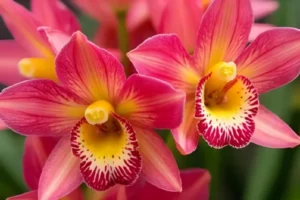
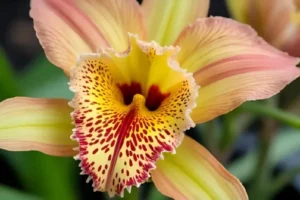
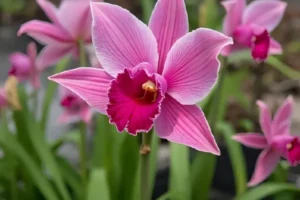
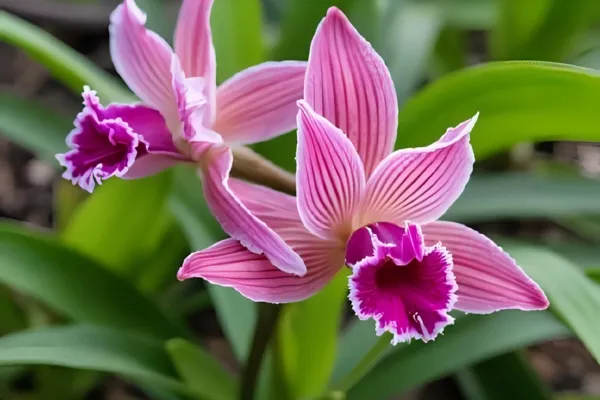
- Colors range from green and burgundy to white with purple markings
- Flowers appear in late fall to early spring
- Each spike can produce 4-12 individual blooms
Natural Habitat Requirements
Understanding their native environment is crucial for successful cultivation. In nature, Zygopetalums grow as:
- Terrestrial orchids in humus-rich forest floors
- Epiphytes on moss-covered tree trunks
- Plants that receive filtered sunlight through forest canopy
- Species adapted to consistent moisture but excellent drainage
This natural habitat directly informs the care requirements we’ll discuss throughout this guide.
Essential Zygopetalum Orchid Care Requirements
Success with Zygopetalum orchids requires understanding their five fundamental needs: proper watering, appropriate lighting, suitable potting medium, correct temperature ranges, and adequate humidity levels.
Quick Care Summary
| Care Aspect | Requirement |
|---|---|
| Light | Bright, indirect (2000-3000 foot-candles) |
| Water | Keep evenly moist, never dry completely |
| Temperature | 65-80°F (18-27°C) |
| Humidity | 50-70% |
| Potting Medium | Well-draining, moisture-retentive mix |
Critical Success Factors
Moisture Management: Unlike drought-tolerant orchids like Cattleyas, Zygopetalums evolved in consistently moist environments. Research from the University of Florida’s IFAS Extension emphasizes that these orchids should never completely dry out between waterings.
Air Circulation: Studies from the American Orchid Society demonstrate that good air movement prevents fungal issues while maintaining the humid environment these plants require.
Feeding Schedule: Zygopetalums are moderate feeders that benefit from regular, diluted fertilization rather than occasional heavy feeding.
Watering Your Zygopetalum Orchid: The Complete Method
Proper watering is perhaps the most critical aspect of Zygopetalum care. These orchids require a delicate balance – consistent moisture without waterlogged conditions.
The Expert Watering Technique
Step 1: Check Moisture Levels
- Insert your finger 1 inch into the potting medium
- Water when the top inch feels barely moist (not dry)
- Use a wooden skewer for deeper moisture assessment
Step 2: Watering Method
- Use room-temperature water (65-75°F)
- Water thoroughly until it flows from drainage holes
- Allow excess water to drain completely (never let pot sit in standing water)
Step 3: Water Quality Requirements According to research from Cornell University’s Orchid Program:
- pH level: 6.0-6.5 (slightly acidic)
- TDS (Total Dissolved Solids): Below 150 ppm
- Avoid: Softened water or water high in salts
Seasonal Watering Adjustments
Growing Season (Spring-Summer):
- Water every 5-7 days
- Maintain consistent moisture
- Monitor more frequently in warm weather
Rest Period (Fall-Winter):
- Reduce watering to every 7-10 days
- Allow slight drying between waterings
- Watch for new growth signals
Common Watering Mistakes
- Allowing complete drying: Leads to pseudobulb shrinkage and stress
- Overwatering dormant plants: Causes root rot during rest periods
- Using hard water: Creates salt buildup that damages roots
Light and Temperature Needs for Optimal Growth
Zygopetalum orchids require specific lighting and temperature conditions that mimic their natural cloud forest habitat.
Lighting Requirements
Optimal Light Levels: Research from the University of Georgia Extension indicates Zygopetalums thrive with:
- 2000-3000 foot-candles of light intensity
- 12-14 hours of light during growing season
- Bright, filtered light without direct sun exposure
Practical Lighting Solutions
Indoor Growing:
- East-facing windows: Ideal for morning light
- South-facing windows: Require sheer curtains for filtering
- LED grow lights: Position 12-18 inches above plants
- Fluorescent tubes: Use full-spectrum bulbs, 6 inches above foliage
Light Indicators:
- Correct lighting: Leaves appear bright green with slight yellow tinge
- Too little light: Dark green leaves, no flowering
- Too much light: Yellowing or brown leaf tips
Temperature Management
Optimal Temperature Ranges:
- Day temperatures: 70-80°F (21-27°C)
- Night temperatures: 60-65°F (15-18°C)
- Temperature differential: 10-15°F drop at night essential for blooming
Seasonal Temperature Needs
Growing Season Requirements:
- Consistent warmth promotes active growth
- Good air circulation prevents heat stress
- Monitor for signs of temperature stress
Blooming Trigger:
- Cool night temperatures (60-65°F) for 4-6 weeks
- This cooling period initiates flower spike development
- Maintain consistent day/night differential
Potting Medium and Repotting Guidelines
The right potting medium is crucial for Zygopetalum health, as these orchids need both moisture retention and excellent drainage.
Ideal Potting Mix Components
Expert-Recommended Recipe:
- 40% fine bark (1/4 to 1/2 inch pieces)
- 30% sphagnum moss (New Zealand grade)
- 20% perlite (coarse grade)
- 10% coconut husk chips
Alternative Mix Options
Beginner-Friendly Mix:
- 50% commercial orchid bark mix
- 30% sphagnum moss
- 20% perlite
Advanced Grower Mix:
- 30% medium bark
- 25% tree fern fiber
- 20% sphagnum moss
- 15% perlite
- 10% coconut coir
Repotting Schedule and Technique
When to Repot:
- Every 18-24 months
- When potting medium breaks down
- When new growth appears crowded
- If drainage becomes poor
Repotting Steps:
- Remove old medium carefully to avoid root damage
- Inspect roots and trim any black or mushy sections
- Choose appropriate pot size (only slightly larger than root system)
- Position plant with newest growth toward pot center
- Fill with fresh medium, leaving growing tip exposed
Post-Repotting Care
- Reduce watering for 2-3 weeks
- Provide extra humidity during recovery
- Avoid fertilizing until new growth appears
Common Zygopetalum Problems and Expert Solutions
Understanding common issues and their solutions is essential for maintaining healthy Zygopetalum orchids.
Root Problems
Root Rot Symptoms:
- Soft, brown, or black roots
- Mushy pseudobulbs
- Yellowing leaves starting from bottom
Treatment Protocol:
- Remove affected plant from pot immediately
- Cut away all damaged roots with sterilized tools
- Dust cuts with cinnamon or fungicide
- Repot in fresh, well-draining medium
Leaf Issues
Yellowing Leaves:
- Natural aging: Bottom leaves yellow and drop normally
- Overwatering: Multiple leaves yellow simultaneously
- Underwatering: Leaves yellow and wrinkle
Brown Leaf Tips:
- Usually indicates low humidity or poor water quality
- Increase humidity and use filtered water
- Trim brown sections with sterilized scissors
Flowering Problems
No Flower Spikes:
- Insufficient light: Move to brighter location
- Lack of temperature differential: Ensure night cooling
- Overfertilization: Reduce nitrogen levels
Bud Blast (flower buds drop before opening):
- Environmental stress (temperature, humidity changes)
- Inadequate watering
- Air pollution or chemical exposure
Pest Management
Common Pests:
- Scale insects: Treat with isopropyl alcohol on cotton swab
- Mealybugs: Remove with alcohol, improve air circulation
- Spider mites: Increase humidity, use insecticidal soap
Fertilizing Schedule for Maximum Flowering
Proper fertilization supports healthy growth and promotes regular blooming in Zygopetalum orchids.
Fertilizer Requirements
NPK Ratio: Research from the University of Florida recommends:
- Growing season: 20-20-20 or 30-10-10
- Pre-blooming: 10-30-20 (higher phosphorus)
- Always dilute to 1/4 strength
Feeding Schedule
Active Growing Period (Spring-Summer):
- Frequency: Every other watering
- Concentration: 1/4 strength liquid fertilizer
- Method: Water first, then apply fertilizer solution
Rest Period (Fall-Winter):
- Frequency: Monthly feeding only
- Concentration: 1/4 strength
- Focus: Maintain basic nutrition without forcing growth
Organic Fertilizing Options
Natural Alternatives:
- Fish emulsion: Diluted to 1/4 strength monthly
- Kelp meal: Light sprinkle on potting medium every 3 months
- Compost tea: Well-aged, diluted solution
Fertilizer Application Tips
- Water before fertilizing to prevent root burn
- Flush monthly with plain water to remove salt buildup
- Monitor plant response and adjust concentration accordingly
- Avoid overfertilizing which delays blooming
Conclusion
Successfully growing Zygopetalum orchids comes down to understanding and replicating their natural South American forest environment. These remarkable plants reward proper care with months of intensely fragrant blooms that can transform any growing space.
Key Success Factors to remember:
- Maintain consistent moisture without waterlogging
- Provide bright, filtered light equivalent to morning sun
- Ensure proper temperature differential for blooming
- Use well-draining, moisture-retentive potting medium
- Feed regularly but lightly throughout the growing season
The investment in learning proper Zygopetalum care pays incredible dividends. Once established in the right conditions, these orchids become reliable bloomers that provide years of enjoyment. Many growers find that their first successful Zygopetalum blooming season creates an addiction to these fragrant beauties.
As orchid cultivation continues to evolve, new hybrid varieties and improved growing techniques make Zygopetalums more accessible than ever to home growers. The trend toward fragrant orchids in home collections shows no sign of slowing, making now the perfect time to master these techniques.
Remember, every expert orchid grower started with their first plant and learned through careful observation and patience. Your Zygopetalum will teach you its preferences as you apply these fundamental care principles.
Frequently Asked Questions
How often do Zygopetalum orchids bloom?
Healthy Zygopetalum orchids typically bloom once per year, usually in fall or winter. Mature plants may produce multiple flower spikes, and with proper care, some varieties can bloom twice annually.
Why isn’t my Zygopetalum flowering?
The most common reasons include insufficient light, lack of proper temperature differential (cool nights), overfertilization with nitrogen, or the plant being too young. Ensure 10-15°F temperature drop at night and reduce nitrogen fertilizer before blooming season.
Can I grow Zygopetalum orchids outdoors?
Yes, in USDA zones 9-11, Zygopetalums can be grown outdoors year-round in filtered shade. In cooler climates, they can spend summer months outside but must be brought indoors when temperatures drop below 50°F.
How do I know when to water my Zygopetalum?
Check the top inch of potting medium – water when it feels barely moist but not dry. These orchids should never completely dry out. A wooden skewer inserted into the medium can help gauge moisture levels deeper in the pot.
Are Zygopetalum orchids safe for pets?
According to the ASPCA, Zygopetalum orchids are non-toxic to cats and dogs. However, it’s always best to prevent pets from chewing on any houseplants to avoid potential digestive upset.
How long do Zygopetalum flowers last?
Zygopetalum flowers typically last 6-8 weeks when properly cared for. The intense fragrance is usually strongest during the first 3-4 weeks of blooming and gradually diminishes as flowers age.