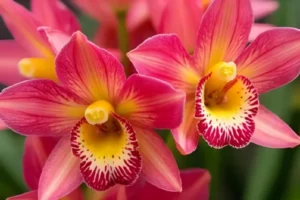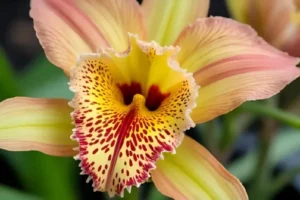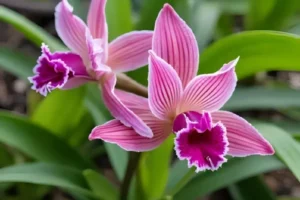
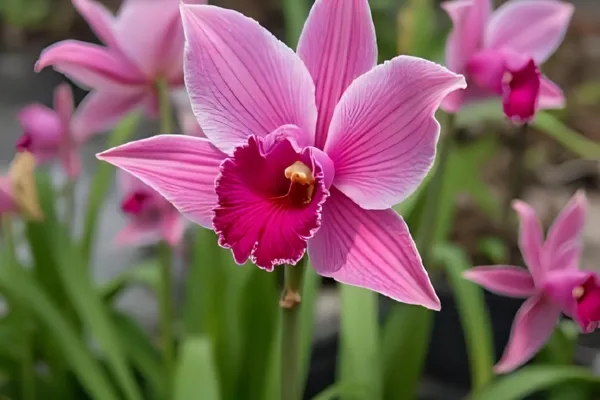
Cattleya orchids represent over 20% of all orchid varieties grown by home enthusiasts worldwide, making them one of the most beloved orchid types among collectors and beginners alike. These magnificent flowers, often called the “Queen of Orchids,” have captured hearts for over 200 years with their large, fragrant blooms and stunning color displays.
However, many new growers struggle with cattleya care, often experiencing issues like yellowing leaves, lack of blooms, or root problems that can discourage even the most enthusiastic plant parent. The complexity of their native tropical environment can seem intimidating to replicate at home.
In this comprehensive guide, you’ll discover the exact techniques used by successful cattleya growers to achieve consistent, spectacular blooms year after year. From understanding their unique growing requirements to mastering the art of seasonal care adjustments, you’ll gain the confidence and knowledge to transform your space with these extraordinary orchids.
Understanding Cattleya Orchids: The Queen of Orchids
Origins and Natural Habitat
Cattleya orchids originate from the tropical rainforests of Central and South America, where they grow as epiphytes on tree branches and rocks. Research from the Royal Botanic Gardens, Kew, indicates that cattleyas naturally experience bright, filtered light through the forest canopy, with humidity levels ranging from 60-80% and temperatures between 65-85°F (18-29°C).
Understanding their native environment is crucial for successful cultivation. In nature, cattleyas receive excellent air circulation, experience wet and dry seasons, and grow in extremely well-draining conditions with their roots exposed to air between watering cycles.
Popular Cattleya Varieties for Home Growing
The most successful varieties for beginners include:
- Cattleya mossiae: Venezuela’s national flower, blooms spring to early summer
- Cattleya trianae: Colombia’s national flower, winter-blooming variety
- Cattleya labiata: The original “Queen Cattleya,” autumn bloomer
- Cattleya warscewiczii: Large, fragrant summer blooms
- Cattleya dowiana: Golden-yellow flowers with deep purple lips
Hybrid cattleyas often prove more forgiving for new growers while maintaining the spectacular flower characteristics of their species parents.
Why Cattleyas Make Perfect Beginner Orchids
According to horticulture studies from the University of Florida, cattleyas demonstrate remarkable resilience to minor care mistakes compared to more sensitive orchid genera. Their thick, succulent-like pseudobulbs store water and nutrients, providing a buffer against irregular watering schedules.
Their clear growth patterns and visible seasonal changes make it easier for beginners to understand their needs and timing for repotting, fertilizing, and adjusting care routines.
Essential Cattleya Growing Requirements
Light Requirements: Finding the Perfect Balance
Cattleyas require bright, indirect light equivalent to 2,000-3,000 foot-candles. Research from Cornell University’s horticulture department shows that inadequate light remains the primary cause of non-blooming cattleyas in home cultivation.
Optimal light conditions include:
- East or south-facing windows with sheer curtains
- LED grow lights positioned 12-18 inches above plants
- 12-14 hours of light during growing season
- Reduced to 10-12 hours during winter rest period
Light intensity indicators: healthy cattleya leaves should be light green with a slight yellow tint. Dark green leaves typically indicate insufficient light, while reddish or yellow leaves may signal too much direct sun.
Temperature and Humidity Control
Temperature fluctuations between day and night prove essential for cattleya health and blooming. The American Orchid Society research indicates optimal ranges of:
- Day temperatures: 75-85°F (24-29°C)
- Night temperatures: 60-65°F (15-18°C)
- Minimum 10-15°F difference between day and night
Humidity management strategies:
- Maintain 50-70% relative humidity
- Use humidity trays filled with gravel and water
- Group plants together to create beneficial microclimates
- Ensure good air circulation to prevent fungal issues
Air Circulation Fundamentals
Stagnant air creates ideal conditions for bacterial and fungal problems. Position a small fan to provide gentle, continuous air movement around your cattleyas. The air should be strong enough to gently move the leaves but not cause excessive drying.
Cattleya Watering and Feeding Guide
Proper Watering Techniques
The “soak and dry” method works best for cattleyas. Water thoroughly until water runs freely from drainage holes, then allow the growing medium to approach dryness before watering again.
Watering frequency guidelines:
- Summer growing season: Every 5-7 days
- Winter rest period: Every 10-14 days
- Newly repotted plants: Reduce frequency by 30-50%
Water quality significantly impacts cattleya health. Use rainwater, distilled water, or reverse osmosis water when possible. If using tap water, allow it to sit overnight to dissipate chlorine.
Fertilizing Schedule for Optimal Growth
University of Georgia extension research recommends a balanced approach to cattleya nutrition:
Active growing season (spring-fall):
- Balanced fertilizer (20-20-20) at quarter strength
- Feed every other watering
- Include calcium and magnesium supplements monthly
Rest period (winter):
- Reduce feeding to once monthly
- Use bloom booster (10-30-20) to encourage flower spike development
Application method: Apply fertilizer to damp growing medium, never to dry plants, as this can burn sensitive roots.
Common Watering Mistakes to Avoid
- Overwatering: Leading cause of cattleya root rot
- Inconsistent scheduling: Creates stress and inhibits growth
- Watering leaves in evening: Promotes bacterial infections
- Using softened water: High sodium content damages plants
Potting Medium and Repotting Cattleyas
Best Growing Media for Cattleyas
Cattleyas require extremely well-draining growing media that allows air circulation around roots. Research from the Smithsonian Institution recommends these proven combinations:
Premium mix recipe:
- 40% medium-grade bark chunks
- 30% sphagnum moss
- 20% perlite
- 10% chunky coconut husk chips
Alternative commercial options:
- Specialized cattleya bark mixes
- Mounted growing on cork bark or tree fern
- Inorganic media like LECA (expanded clay pebbles)
When and How to Repot
Repot cattleyas every 2-3 years or when the growing medium begins decomposing. Signs requiring immediate repotting include:
- Growing medium staying soggy after watering
- Musty or sour odors from the pot
- Roots growing extensively outside the container
- Pseudobulbs reaching the edge of the pot
Repotting process:
- Remove old growing medium completely
- Trim dead or rotted roots with sterilized tools
- Allow cut roots to callus for 24 hours
- Plant with newest growth positioned for future expansion
- Secure with stakes if necessary
Root Health Assessment
Healthy cattleya roots appear firm, plump, and white to green in color. Brown, mushy, or hollow roots indicate problems requiring immediate attention.
Regular root inspection during repotting helps identify issues early and adjust care accordingly.
Encouraging Cattleya Blooms
Understanding Bloom Cycles
Most cattleyas follow predictable blooming patterns tied to seasonal changes. Studies from the Missouri Botanical Garden show that temperature differentials and light changes trigger blooming responses.
Typical bloom timing:
- Spring bloomers: March-May
- Summer bloomers: June-August
- Fall bloomers: September-November
- Winter bloomers: December-February
Understanding your specific variety’s natural timing helps optimize care for maximum flowering.
Seasonal Care Adjustments
Growing season adjustments:
- Increase watering frequency
- Resume regular fertilizing
- Provide maximum recommended light
- Maintain higher humidity levels
Rest period care:
- Reduce watering significantly
- Stop or minimize fertilizing
- Allow cooler night temperatures
- Provide bright light but shorter photoperiods
Troubleshooting Non-Blooming Plants
Common reasons for lack of blooms include:
- Insufficient light: Most frequent cause
- Lack of temperature differential: Prevent flower spike initiation
- Over-fertilizing with nitrogen: Promotes vegetative growth over blooming
- Inadequate rest period: Plants need seasonal dormancy signals
- Immature plants: Young cattleyas may require 3-5 years to reach blooming size
Common Problems and Solutions
Pest Management
Spider mites: Increase humidity and use horticultural oil sprays Scale insects: Remove manually and treat with insecticidal soap Aphids: Rinse off with water and apply neem oil treatment Thrips: Use blue sticky traps and beneficial predatory mites
Regular inspection and quarantine of new plants prevents most pest issues.
Disease Prevention
Bacterial rot: Ensure proper air circulation and avoid overhead watering Fungal infections: Maintain appropriate humidity without stagnant conditions Viral diseases: Practice tool sterilization and isolate affected plants
Prevention through proper cultural practices proves far more effective than treating established diseases.
Environmental Stress Signs
Monitor for these stress indicators:
- Accordion-pleated leaves: Irregular watering patterns
- Yellow leaves: Overwatering or natural aging
- Black tips on leaves: Water quality issues or fertilizer burn
- Stunted growth: Insufficient light or root problems
Conclusion
Successfully growing cattleya orchids requires understanding their natural tropical environment and replicating key conditions: bright filtered light, proper air circulation, well-draining growing medium, and seasonal temperature fluctuations. The most critical factors include providing adequate light intensity, maintaining proper watering cycles, and allowing natural rest periods that trigger blooming.
With patience and consistent care, your cattleyas will reward you with spectacular, fragrant blooms that can last 4-8 weeks. As you develop experience with these remarkable orchids, you’ll discover that cattleyas often become the gateway to exploring the fascinating world of orchid cultivation.
The future of cattleya growing continues evolving with new hybrid varieties offering enhanced resilience and extended blooming seasons, making these magnificent orchids even more accessible to home growers worldwide.
Frequently Asked Questions
How long does it take for a cattleya to bloom?
Mature cattleyas typically bloom once yearly, though some varieties may bloom twice. Young plants require 3-5 years to reach blooming maturity.
Can cattleyas grow outdoors year-round?
In USDA zones 10-12, cattleyas can grow outdoors with protection from direct midday sun and freezing temperatures. Most growers need to bring plants indoors during winter.
Why are my cattleya’s leaves turning yellow?
Yellow leaves can indicate overwatering, natural aging, or nutrient deficiencies. Check root health and adjust watering frequency accordingly.
How often should I fertilize my cattleya?
During active growth (spring-fall), fertilize every other watering with diluted balanced fertilizer. Reduce to monthly during winter rest periods.
What’s the best way to increase humidity for cattleyas?
Use humidity trays, group plants together, or run a humidifier nearby. Maintain 50-70% humidity while ensuring good air circulation.