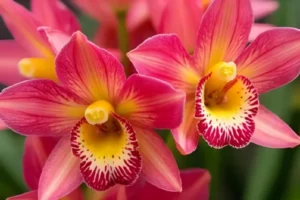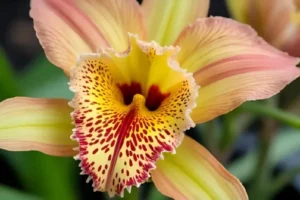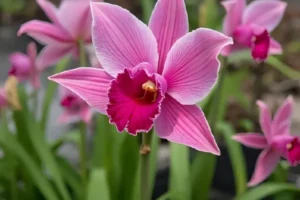
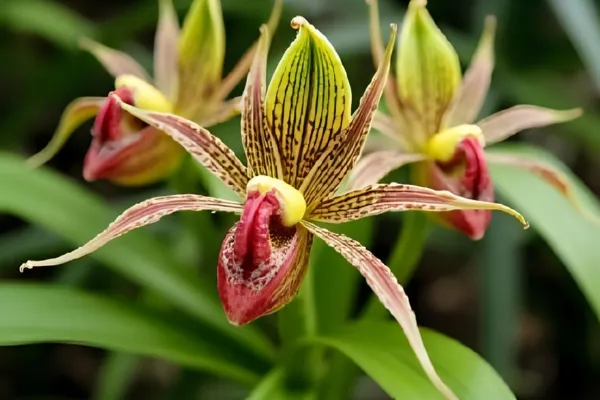
Did you know that Brassia orchids have evolved one of nature’s most ingenious survival strategies? These remarkable “spider orchids” produce flowers that perfectly mimic female spiders, complete with long, thin sepals that resemble spider legs. This evolutionary masterpiece attracts male spider wasps who attempt to mate with the “spider,” unknowingly pollinating the flower in the process. It’s a biological deception so sophisticated that even experienced entomologists can be momentarily fooled.
Yet despite this incredible adaptation, many orchid enthusiasts struggle with growing Brassia orchids successfully. These stunning epiphytes often develop yellow leaves, fail to bloom, or succumb to root rot – leaving growers frustrated and questioning their abilities. The challenge isn’t your skill level; it’s understanding that Brassia orchids require a specific care approach that differs significantly from popular Phalaenopsis or Cattleya varieties.
This comprehensive guide will transform you from a struggling Brassia grower into a confident orchid cultivator. You’ll discover the precise environmental conditions these spider orchids crave, master the watering techniques that prevent root problems, and learn the feeding schedule that promotes consistent, spectacular blooms. By the end of this article, you’ll have everything needed to grow healthy, flowering Brassia orchids that become the centerpiece of your collection.
Understanding Brassia Orchids: The Spider Orchid Basics
Brassia orchids belong to the Oncidium alliance and represent one of the most distinctive orchid genera in cultivation. Native to tropical regions of Central and South America, these epiphytic beauties grow naturally on tree branches in cloud forests and rainforest canopies, where they’ve adapted to specific environmental conditions that we must replicate for successful home cultivation.
Scientific Classification and Natural Habitat
The genus Brassia comprises approximately 35 species, with most cultivated varieties being either pure species or complex hybrids. Research conducted by the Royal Botanic Gardens, Kew, confirms that these orchids naturally occur at elevations between 1,000-6,000 feet, where they experience consistent humidity, filtered light, and excellent air circulation.
The most commonly available species include:
- Brassia verrucosa: Features spotted yellow-green flowers with prominent “spider legs”
- Brassia caudata: Known for extremely long sepals reaching up to 8 inches
- Brassia gireoudiana: Produces fragrant flowers with distinctive brown markings
- Brassia Rex: A popular hybrid combining size and fragrance
Growth Pattern and Characteristics
Brassia orchids exhibit sympodial growth, meaning they develop new pseudobulbs from the base of previous growths. Each pseudobulb typically produces 1-3 leaves and, when mature, sends up a flower spike from the base. Understanding this growth pattern is crucial because it determines watering frequency, feeding schedules, and repotting timing.
The pseudobulbs serve as water and nutrient storage organs, allowing these orchids to survive brief dry periods in nature. However, they’re not drought-tolerant like some succulents – they require consistent moisture availability while avoiding waterlogged conditions.
Essential Growing Requirements for Brassia Orchids
Successfully cultivating Brassia orchids requires replicating their natural cloud forest environment. Research from the American Orchid Society demonstrates that maintaining proper environmental conditions is more critical for Brassia success than expensive fertilizers or specialized equipment.
Light Requirements and Positioning
Brassia orchids thrive in bright, indirect light equivalent to 2,000-3,000 foot-candles. In practical terms, this means:
East-facing windows: Provide ideal morning light without harsh afternoon sun South-facing windows: Require sheer curtains or placement 3-4 feet from glass West-facing windows: Need significant filtering to prevent leaf burn North-facing windows: Usually insufficient without supplemental lighting
Signs of proper lighting include:
- Leaves maintain medium green color (not dark green or yellow)
- New growth appears robust and upright
- Pseudobulbs develop properly without stretching
Temperature and Humidity Management
Brassia orchids are classified as intermediate to warm growers, requiring:
Daytime temperatures: 70-85°F (21-29°C) Nighttime temperatures: 60-65°F (15-18°C) Temperature differential: 10-15°F drop at night stimulates blooming
Humidity requirements range from 50-70%, which can be challenging in typical home environments. Effective humidity management strategies include:
- Humidity trays: Fill saucers with gravel and water, ensuring pots don’t sit directly in water
- Room humidifiers: Ultrasonic models provide consistent moisture without over-saturation
- Grouping plants: Creates beneficial microclimates through transpiration
Air Circulation Importance
Adequate air circulation prevents fungal diseases and promotes healthy growth. Stagnant air around Brassia orchids quickly leads to root rot, leaf spots, and pest infestations. Position a small fan to provide gentle air movement without creating direct drafts on the plants.
Brassia Orchid Watering and Feeding Guide
Proper watering represents the single most important skill in Brassia cultivation. These orchids require consistent moisture availability while maintaining excellent drainage – a balance that challenges many growers.
Watering Techniques and Frequency
The “ice cube method” popular with some orchids is inappropriate for Brassia. Instead, follow these evidence-based watering practices:
Morning watering: Always water early in the day so plants dry before evening Thorough soaking: Water until it flows freely from drainage holes Quality assessment: Use filtered, distilled, or rainwater when possible
Frequency guidelines:
- Active growing season (spring/summer): Every 5-7 days
- Dormant period (fall/winter): Every 10-14 days
- High humidity environments: Reduce frequency accordingly
Seasonal Watering Adjustments
Brassia orchids experience natural wet and dry seasons in their native habitat. Mimicking these patterns promotes healthy growth and reliable blooming:
Spring/Summer (Growing Season):
- Maintain consistent soil moisture
- Never allow complete drying between waterings
- Increase frequency if temperatures rise above 80°F
Fall/Winter (Rest Period):
- Allow slight drying between waterings
- Reduce frequency but never let pseudobulbs shrivel
- Monitor humidity levels more carefully
Fertilization Schedule and Requirements
Brassia orchids benefit from regular, dilute feeding rather than occasional heavy fertilization. University of Florida research recommends the “weakly, weekly” approach:
Growing season feeding (March-September):
- Balanced fertilizer (20-20-20 or 20-10-20) at 1/4 strength
- Weekly applications during active growth
- Flush with clear water monthly to prevent salt buildup
Dormant season feeding (October-February):
- Reduce to bi-weekly applications
- Use lower nitrogen formulation (10-30-20)
- Focus on phosphorus to promote flower development
Key feeding tips:
- Always water before fertilizing to prevent root burn
- Apply fertilizer to damp, not dry, roots
- Use fertilizers designed for epiphytic orchids when possible
Potting and Repotting Your Brassia Orchid
Proper potting media and repotting timing directly impact root health and overall plant vitality. Brassia orchids require excellent drainage while maintaining some moisture retention – a balance achieved through careful media selection.
Optimal Potting Media Combinations
Research from the Orchid Society of Great Britain confirms that successful Brassia cultivation requires chunky, well-draining media that allows air circulation around roots while retaining appropriate moisture levels.
Recommended media blend:
- 40% medium-grade bark (douglas fir or pine)
- 20% perlite or pumice
- 20% sphagnum moss (long-fiber)
- 10% coconut husk chips
- 10% expanded clay pellets
Alternative simplified mix:
- 60% commercial orchid bark mix
- 30% perlite
- 10% sphagnum moss
When and How to Repot
Brassia orchids typically require repotting every 18-24 months, or when:
- Potting media breaks down and compacts
- Roots grow extensively outside the pot
- New growth appears stunted or yellowing
- Media retains water too long or drains too quickly
Repotting process:
- Timing: Best performed in early spring when new growth begins
- Preparation: Water 24 hours before repotting for easier root handling
- Root inspection: Remove dead, mushy, or damaged roots with sterile tools
- Sizing: Choose pots only slightly larger than the root system
- Positioning: Place oldest pseudobulbs against pot edge, newest growth toward center
Root Health Assessment
Healthy Brassia roots appear firm, white to green, with growing tips that are bright green or reddish. Problematic roots show these characteristics:
- Black or brown coloration: Indicates rot from overwatering
- Mushy texture: Sign of bacterial or fungal infection
- Shriveled appearance: Usually from underwatering or old age
Remove damaged roots with sterile cutting tools, and dust cut surfaces with cinnamon powder or fungicide to prevent infection.
Troubleshooting Common Brassia Problems
Even experienced growers encounter challenges with Brassia orchids. Understanding common problems and their solutions prevents minor issues from becoming major setbacks.
Pest Identification and Treatment
Scale insects: Appear as small, brown or white bumps on leaves and pseudobulbs
- Treatment: Rubbing alcohol on cotton swabs for small infestations
- Prevention: Improve air circulation and inspect plants weekly
Spider mites: Cause stippled, yellowing leaves and fine webbing
- Treatment: Insecticidal soap or neem oil applications
- Prevention: Maintain adequate humidity levels
Aphids: Green or black insects clustered on new growth
- Treatment: Systemic insecticides or beneficial insects
- Prevention: Quarantine new plants and maintain cleanliness
Disease Prevention and Management
Black rot: Rapidly spreading black areas on leaves or pseudobulbs
- Immediate action: Remove affected tissue with sterile tools
- Treatment: Apply fungicide and improve air circulation
- Prevention: Avoid water on leaves and ensure proper drainage
Leaf spot diseases: Circular brown or black spots with yellow halos
- Treatment: Remove affected leaves and apply appropriate fungicide
- Prevention: Water at soil level and provide adequate air movement
Blooming Issues and Solutions
Failure to bloom represents the most common Brassia complaint. Contributing factors include:
Insufficient light: Move to brighter location or add supplemental lighting Lack of temperature differential: Ensure 10-15°F nighttime temperature drop Over-fertilization: Reduces flowering in favor of vegetative growth Immature plant: Young plants may need 2-3 years to reach blooming size
Promoting blooms:
- Provide slight stress through reduced watering in fall
- Maintain consistent care routine during spike development
- Support heavy flower spikes to prevent breaking
Advanced Care Tips for Thriving Brassia Orchids
Once you’ve mastered basic Brassia care, these advanced techniques will elevate your growing success and promote exceptional plant health.
Promoting Regular Blooms
Brassia orchids can bloom multiple times per year with proper care. Research from the Australian Orchid Society identifies several factors that encourage consistent flowering:
Maturity indicators: Wait until pseudobulbs reach full size before expecting blooms Seasonal triggers: Provide slight dry period in fall to initiate flower spike development Spike support: Use bamboo stakes to support heavy flower spikes and prevent breaking
Long-term Maintenance Strategies
Annual schedule:
- Spring: Repot if needed, increase watering frequency
- Summer: Maximum growth period, consistent feeding and watering
- Fall: Reduce watering slightly, prepare for dormancy
- Winter: Minimal watering, focus on humidity maintenance
Multi-year planning:
- Divide large clumps every 3-4 years to maintain vigor
- Gradually increase pot size as plants mature
- Keep detailed records of blooming patterns and care adjustments
Propagation Techniques
Brassia orchids propagate through division of mature clumps. Successful division requires:
Timing: During active growth in spring Size requirements: Each division needs 3-4 mature pseudobulbs Tools: Use sterile cutting implements to prevent disease transmission Aftercare: Reduce watering for 2-3 weeks after division to prevent rot
Conclusion
Growing healthy Brassia orchids requires understanding their unique needs as epiphytic spider orchids from Central and South American cloud forests. Success depends on providing bright, indirect light, maintaining consistent moisture without waterlogging, and ensuring excellent air circulation around the roots and foliage.
The key principles for Brassia success include: using chunky, well-draining potting media that retains some moisture; watering thoroughly but allowing slight drying between applications; providing 50-70% humidity with good air movement; and maintaining temperature differentials that trigger natural blooming cycles.
Remember that Brassia orchids are sympodial growers that store water and nutrients in their pseudobulbs, making them more forgiving than many orchid types. With consistent care following these guidelines, your spider orchids will reward you with spectacular blooms featuring those distinctive long sepals that give them their common name.
The future of Brassia cultivation continues evolving as researchers develop new growing techniques and breeders create improved hybrids. Stay connected with orchid societies and continuing education opportunities to expand your knowledge and growing success.
Frequently Asked Questions
How often should I water my Brassia orchid?
Water every 5-7 days during growing season (spring/summer) and every 10-14 days during dormancy (fall/winter). Always check moisture levels rather than following rigid schedules, as environmental conditions affect watering frequency.
Why are my Brassia orchid leaves turning yellow?
Yellow leaves typically indicate overwatering, insufficient light, or natural aging of older foliage. Check root health, adjust watering frequency, and ensure adequate light levels of 2,000-3,000 foot-candles.
When will my Brassia orchid bloom?
Mature Brassia orchids typically bloom once or twice yearly, usually in spring or fall. Young plants may take 2-3 years to reach blooming size. Ensure proper temperature differential (10-15°F nighttime drop) to trigger flowering.
Can I grow Brassia orchids outdoors?
In USDA zones 10-12, Brassia orchids can grow outdoors year-round with protection from direct sun and extreme temperatures. In cooler climates, grow indoors or move outside only during warm summer months.
What’s the best fertilizer for Brassia orchids?
Use balanced fertilizers (20-20-20 or 20-10-20) at 1/4 strength weekly during growing season. Switch to lower nitrogen formulations (10-30-20) during dormancy to promote flower development.
How do I know when to repot my Brassia orchid?
Repot every 18-24 months or when potting media breaks down, roots grow extensively outside the pot, or drainage becomes poor. Spring is the ideal repotting time when new growth begins.
Are Brassia orchids difficult to grow?
Brassia orchids are intermediate-level plants requiring specific care but are more forgiving than many orchid types due to their water-storing pseudobulbs. Following proper watering, lighting, and humidity guidelines ensures success for most growers.