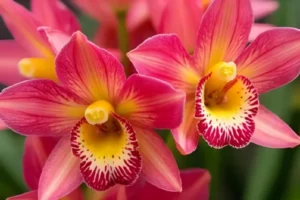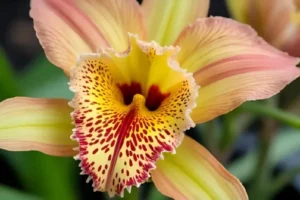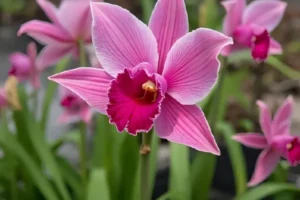
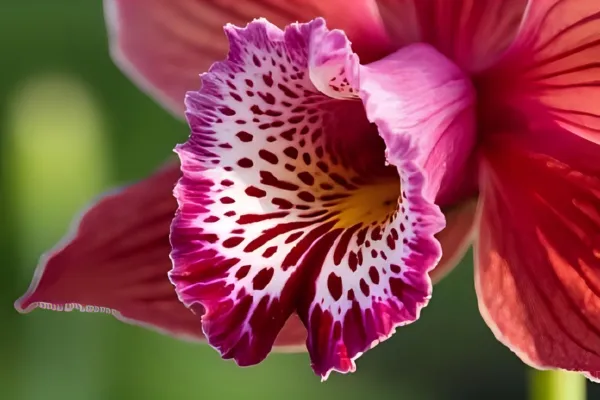
Did you know that Miltonia orchids produce flowers so remarkably similar to pansies that they’ve earned the nickname “pansy orchids”? These stunning epiphytes, with their flat-faced blooms and vibrant colors, represent some of the most rewarding orchids to cultivate in home environments.
Here’s the challenge many orchid enthusiasts face: Miltonias have gained a reputation for being “difficult” or “temperamental.” New growers often struggle with leaf yellowing, failure to bloom, or even plant death within the first year. The frustration is real – you invest in a beautiful specimen, follow generic orchid advice, and watch your prized miltonia slowly decline.
But here’s what I’ll teach you today: Successful miltonia orchid care isn’t about following complicated routines or expensive equipment. It’s about understanding these Brazilian beauties’ specific needs and creating the right microclimate in your home. By the end of this guide, you’ll have the exact knowledge and confidence to grow thriving miltonias that bloom reliably year after year.
What Makes Miltonia Orchids Special?
Miltonia orchids belong to a distinctive genus of epiphytic orchids native to the cloud forests of Brazil and other South American regions. According to research from the Royal Botanic Gardens at Kew, these orchids have evolved unique characteristics that set them apart from their more commonly grown cousins.
Distinctive Pansy-Like Flowers
The most striking feature of miltonia orchids is their flat-faced flowers that closely resemble garden pansies. Unlike many orchids with complex three-dimensional blooms, miltonias produce flowers with large, flat petals and sepals that create an almost perfectly circular face.
These blooms typically measure 3-4 inches across and come in spectacular color combinations including:
- Pure white with purple markings
- Burgundy with yellow centers
- Pink with darker veining
- Yellow with contrasting lips
Native Habitat and Natural Conditions
Understanding where miltonias grow naturally is crucial for successful cultivation. University of Florida’s Institute of Food and Agricultural Sciences research shows that these orchids thrive in:
- Elevation: 1,000-3,000 feet above sea level
- Temperature range: Consistent 65-75°F (18-24°C)
- Humidity levels: 70-80% relative humidity
- Light conditions: Filtered, dappled sunlight
This natural environment gives us the blueprint for successful home cultivation.
Popular Species and Varieties
The most commonly cultivated miltonia species include:
Miltonia spectabilis: Known for its large, fragrant white and purple flowers Miltonia clowesii: Features yellow-green blooms with distinctive brown markings Miltonia regnellii: Produces delicate white flowers with pink and purple accents
Modern hybrids have expanded the color palette and improved ease of cultivation significantly.
Essential Miltonia Orchid Care Requirements
Success with miltonia orchids starts with understanding their fundamental environmental needs. These requirements aren’t negotiable – they’re based on millions of years of evolution in specific ecological niches.
Light Conditions and Placement
Miltonia orchids require bright, indirect light – never direct sunlight. According to the American Orchid Society, the ideal light intensity ranges from 1,000-1,500 foot-candles.
Perfect placement locations:
- East-facing windows: Provide gentle morning light without harsh afternoon sun
- North-facing windows: Offer consistent, moderate light throughout the day
- South/west windows with sheer curtains: Filter intense light effectively
Warning signs of incorrect lighting:
- Too much light: Yellowing leaves, brown spots, stunted growth
- Too little light: Dark green leaves, no flowering, weak growth
Temperature and Humidity Needs
Temperature stability is absolutely critical for miltonia success. Research from Cornell University’s Orchid Research Program demonstrates that temperature fluctuations stress these orchids significantly.
Optimal temperature ranges:
- Daytime: 70-75°F (21-24°C)
- Nighttime: 60-65°F (15-18°C)
- Daily variation: 10-15°F difference between day and night
Humidity requirements:
Maintain 60-70% relative humidity around your miltonia. This can be achieved through:
- Humidity trays filled with water and pebbles
- Room humidifiers
- Grouping plants together
- Regular misting (avoiding water on leaves)
Air Circulation Requirements
Adequate air movement prevents fungal issues and mimics natural breezes in cloud forests. Gentle, continuous air circulation is ideal – use a small fan on low speed positioned to create gentle air movement without directly blowing on plants.
Watering Your Miltonia Orchids Correctly
Proper watering technique separates successful miltonia growers from frustrated beginners. These orchids have specific moisture requirements that differ significantly from other popular orchid types.
Proper Watering Frequency
Miltonia orchids prefer consistent moisture but never soggy conditions. Unlike Phalaenopsis orchids that prefer to dry out between waterings, miltonias should remain slightly moist at all times.
General watering schedule:
- Growing season (spring/summer): Every 5-7 days
- Rest period (fall/winter): Every 7-10 days
- High humidity environments: Less frequent watering
- Low humidity environments: More frequent watering
The finger test: Insert your finger 1 inch into the potting medium. Water when it feels barely moist, not dry.
Water Quality and Drainage
Water quality dramatically impacts miltonia health. Use:
- Rainwater: Ideal choice when available
- Distilled water: Excellent alternative
- Reverse osmosis water: Professional-grade option
- Tap water: Only if soft (under 150 ppm dissolved solids)
Drainage essentials:
Never allow miltonias to sit in standing water. Ensure:
- Pots have multiple drainage holes
- Saucers are emptied within 30 minutes
- Potting medium drains freely but retains some moisture
Seasonal Adjustments
Adjust watering frequency based on seasonal changes:
Spring/Summer (active growth):
- Increase watering frequency
- Monitor for new growth and root development
- Maintain consistent moisture levels
Fall/Winter (rest period):
- Reduce watering frequency slightly
- Allow slight drying between waterings
- Watch for signs of dehydration
The Perfect Potting Mix for Miltonias
Miltonia orchids require a well-draining yet moisture-retentive potting medium – a delicate balance that challenges many growers. The key is creating a mix that holds enough moisture for consistent hydration while allowing excess water to drain freely.
Best Substrate Combinations
Proven miltonia potting mix recipe:
- 40% medium-grade bark (provides structure and drainage)
- 30% sphagnum moss (retains moisture)
- 20% perlite (improves drainage and aeration)
- 10% coconut husk chips (adds stability and moisture retention)
Alternative mix for beginners:
- 50% fine-grade orchid bark
- 30% sphagnum moss
- 20% perlite
Repotting Schedule and Technique
Repot miltonia orchids every 18-24 months or when the potting medium begins to decompose. According to the Orchid Society of Great Britain, timing is crucial for minimal stress.
Best repotting times:
- Spring: Just as new growth begins
- After flowering: When plants enter growth phase
- Avoid: During active flowering or extreme weather
Step-by-step repotting process:
- Remove from old pot carefully – soak if roots are stuck
- Trim dead or mushy roots with sterilized tools
- Rinse remaining roots gently with lukewarm water
- Select appropriately sized pot – only slightly larger than root mass
- Add fresh potting mix around roots without compacting
- Water lightly and place in high humidity location for 2 weeks
Container Selection
Choose pots with excellent drainage – plastic pots with multiple holes work well for moisture retention, while clay pots provide better airflow but dry faster.
Pot sizing guidelines:
- Width: 1-2 inches larger than root spread
- Depth: Allow for 2-3 inches of potting mix below roots
- Material: Plastic for moisture retention, clay for faster drying
Feeding and Fertilizing Miltonia Orchids
Consistent, gentle fertilization supports healthy growth and regular blooming in miltonia orchids. Research from University of Florida’s IFAS Extension shows that regular feeding significantly improves flowering frequency and plant vigor.
Nutrient Requirements
Miltonia orchids are light feeders compared to many houseplants. They evolved in nutrient-poor environments and can be easily burned by over-fertilization.
Essential nutrients:
- Nitrogen: Supports leaf and pseudobulb growth
- Phosphorus: Promotes root development and flowering
- Potassium: Enhances overall plant health and disease resistance
Fertilizer Types and Schedule
Recommended fertilizing approach:
Use a balanced orchid fertilizer (20-20-20 or 30-10-10) at quarter strength every other watering during the growing season.
Monthly feeding schedule:
- Week 1: Fertilize at quarter strength
- Week 2: Water only (plain water)
- Week 3: Fertilize at quarter strength
- Week 4: Water only (plain water)
Seasonal adjustments:
- Spring/Summer: Regular fertilizing schedule
- Fall/Winter: Reduce to monthly fertilizing
Signs of Over/Under-Fertilization
Over-fertilization symptoms:
- Brown leaf tips
- Salt buildup on pot edges
- Stunted growth despite good conditions
- Increased susceptibility to pests
Under-fertilization symptoms:
- Pale, yellowing leaves
- Weak new growth
- Poor flowering
- Gradual decline in plant vigor
Common Problems and Solutions
Even experienced growers encounter challenges with miltonia orchids. Understanding common issues and their solutions prevents minor problems from becoming major disasters.
Pest Management
Common miltonia pests and treatments:
Scale insects:
- Identification: Small, brown or white bumps on leaves and pseudobulbs
- Treatment: Isopropyl alcohol applied with cotton swabs
- Prevention: Regular inspection and good air circulation
Spider mites:
- Identification: Fine webbing and tiny moving specks on leaf undersides
- Treatment: Increased humidity and insecticidal soap spray
- Prevention: Maintain adequate humidity levels
Mealybugs:
- Identification: White, cottony clusters in leaf joints
- Treatment: Alcohol application and systemic insecticide if severe
- Prevention: Quarantine new plants and maintain cleanliness
Disease Prevention
Fungal and bacterial issues:
Crown rot:
- Cause: Water sitting in crown or poor air circulation
- Prevention: Proper watering technique and good airflow
- Treatment: Remove affected tissue and improve growing conditions
Leaf spot diseases:
- Cause: High humidity with poor air circulation
- Prevention: Ensure air movement and avoid water on leaves
- Treatment: Remove affected leaves and apply fungicide if necessary
Troubleshooting Care Issues
Common care problems:
Yellowing leaves:
- Possible causes: Overwatering, underwatering, too much light, natural aging
- Solutions: Assess watering routine, check light levels, remove only fully yellow leaves
Failure to bloom:
- Possible causes: Insufficient light, over-fertilization, lack of temperature variation
- Solutions: Increase light gradually, reduce feeding, ensure day/night temperature difference
Shriveling pseudobulbs:
- Possible causes: Underwatering, root problems, old age
- Solutions: Check root health, adjust watering, consider repotting
Blooming and Growth Cycles
Understanding miltonia growth patterns helps you provide appropriate care throughout the year and set realistic expectations for flowering.
Understanding Flowering Patterns
Miltonia orchids typically bloom once per year, usually in late winter to early spring. However, healthy, mature plants may produce multiple flowering spikes or bloom twice yearly under optimal conditions.
Typical blooming timeline:
- Spike initiation: 6-8 weeks before flowering
- Bud development: 4-6 weeks
- Flowering period: 4-8 weeks depending on conditions
- Post-bloom rest: 2-3 months before next growth cycle
Encouraging Reblooming
Key factors for consistent flowering:
Temperature differential: Ensure 10-15°F difference between day and night temperatures, especially during autumn.
Proper rest period: Reduce watering and feeding slightly after flowering to allow the plant to rest.
Adequate maturity: Plants need 3-4 mature pseudobulbs to flower reliably.
Consistent care: Maintain stable growing conditions throughout the year.
Growth Stages and Expectations
New growth cycle stages:
- New shoot emergence: Small green growth appears at base
- Leaf development: Shoots develop into full pseudobulbs with leaves
- Root growth: New white roots extend from developing pseudobulb
- Maturation: Pseudobulb reaches full size (6-12 months)
- Flowering potential: Mature pseudobulb can produce flower spike
Realistic expectations:
- New plants: May take 1-2 years to settle in and flower
- Established plants: Should flower annually with proper care
- Young divisions: Need 2-3 years to reach flowering maturity
Advanced Care Tips for Optimal Growth
Experienced growers use these techniques to achieve superior results with their miltonia collections.
Creating Microclimates
Humidity chambers: Use clear plastic storage containers with humidity trays to create localized high-humidity zones for recovering plants.
Seasonal adjustments: Move plants to different locations based on seasonal light and temperature changes.
Companion planting: Group miltonias with other moisture-loving plants to create beneficial microclimates.
Monitoring Plant Health
Weekly health checks: Inspect leaves, roots (when possible), and growing medium for early problem detection.
Growth tracking: Keep simple records of watering, feeding, and growth milestones to optimize care routines.
Environmental monitoring: Use thermometers and humidity gauges to maintain optimal conditions consistently.
Conclusion
Successful miltonia orchid care centers on understanding and replicating their natural cloud forest environment. These remarkable pansy orchids reward consistent care with spectacular blooms and years of growing pleasure.
Key takeaways for miltonia success:
- Maintain consistent moisture without waterlogging
- Provide bright, indirect light with protection from direct sun
- Create stable temperatures with appropriate day/night variation
- Ensure adequate humidity through various environmental modifications
- Feed lightly but regularly during growing seasons
- Monitor closely for early problem detection and intervention
Remember: Patience is essential with miltonia orchids. These plants need time to establish and adapt to your specific growing conditions. Focus on creating stable, appropriate conditions rather than frequent adjustments, and your miltonias will thrive for decades.
The journey of growing miltonia orchids connects you to the incredible biodiversity of South American cloud forests. Every successful bloom represents not just horticultural achievement, but also conservation of these magnificent plants for future generations.
FAQ
How often should I water my miltonia orchid?
Water every 5-7 days during growing season and 7-10 days during winter, maintaining consistent slight moisture in the potting medium. Never allow complete drying or waterlogging.
Why are my miltonia orchid leaves turning yellow?
Yellow leaves can indicate overwatering, underwatering, excessive light, or natural aging. Check your watering routine, light exposure, and remove only completely yellow leaves after identifying the cause.
When will my miltonia orchid bloom again?
Mature miltonias typically bloom once yearly, usually in late winter to early spring. Healthy plants need 3-4 mature pseudobulbs and proper rest periods between growth cycles.
What’s the best potting mix for miltonia orchids?
Use a mixture of 40% medium bark, 30% sphagnum moss, 20% perlite, and 10% coconut husk chips. This combination provides drainage while retaining necessary moisture.
Can miltonia orchids tolerate direct sunlight?
No, miltonia orchids require bright, indirect light only. Direct sunlight causes leaf burn, yellowing, and stunted growth. East-facing windows or filtered south windows work best.
How do I increase humidity for my miltonia orchid?
Use humidity trays, room humidifiers, group plants together, or create localized humidity chambers. Aim for 60-70% relative humidity with good air circulation.
When should I repot my miltonia orchid?
Repot every 18-24 months or when the potting medium decomposes. Best timing is spring when new growth begins or after flowering when plants enter active growth phases.
Why isn’t my miltonia orchid flowering?
Common causes include insufficient light, over-fertilization, lack of temperature variation, or plant immaturity. Ensure proper light levels, reduce feeding, provide day/night temperature differences, and allow time for plant maturation.