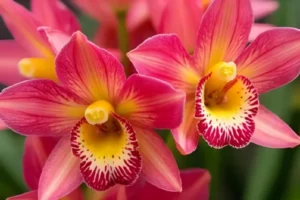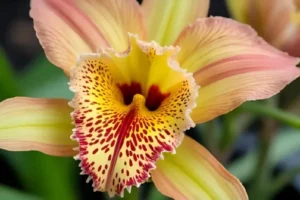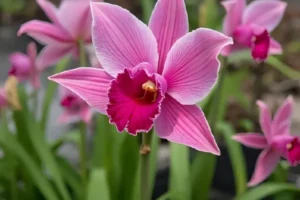
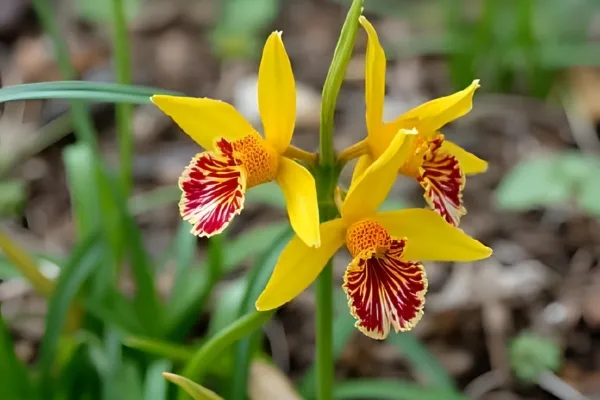
Did you know that Oncidium orchids, affectionately called “Dancing Lady Orchids,” represent one of the largest genera in the orchid family with over 330 species? These spectacular plants have captured the hearts of orchid enthusiasts worldwide with their cascading sprays of golden, chocolate-scented blooms that can last for months.
Yet despite their popularity, many orchid lovers struggle with Oncidium care. Common challenges include mysterious leaf yellowing, failure to rebloom, root rot from overwatering, and confusion about their unique growing requirements that differ significantly from popular Phalaenopsis orchids.
This comprehensive guide will transform you from uncertain beginner to confident Oncidium grower. You’ll discover the exact care techniques developed through decades of horticultural research, learn to read your plant’s signals, and master the art of creating conditions that encourage spectacular, repeated blooming seasons.
Understanding Oncidium Orchids: Nature’s Dancing Beauties
Oncidium orchids originate from the tropical and subtropical regions of Central and South America, where they grow as epiphytes on tree branches in cloud forests and mountainous regions. This natural habitat provides crucial insights into their care requirements.
Key Characteristics
Growth Pattern: Most Oncidiums are sympodial orchids, meaning they grow horizontally with new pseudobulbs emerging from the base. Each pseudobulb stores water and nutrients, making them more drought-tolerant than many orchid varieties.
Leaf Structure: Their leaves range from thick and succulent to thin and papery, depending on species. Thick-leaved varieties (like Oncidium sphacelatum) prefer brighter light, while thin-leaved species (such as Oncidium ornithorhynchum) thrive in lower light conditions.
Root System: Oncidiums develop both aerial roots and potting medium roots. Healthy roots appear silvery-green when dry and bright green when moist.
Popular Varieties for Home Cultivation
- Oncidium Sweet Sugar: Compact variety perfect for windowsill growing
- Oncidium Sharry Baby: Famous for its chocolate fragrance
- Oncidium Twinkle: Miniature species ideal for beginners
- Oncidium Golden Sunset: Produces magnificent yellow flower displays
Essential Light Requirements: Creating the Perfect Environment
Light management represents the foundation of successful Oncidium cultivation. Research from the American Orchid Society demonstrates that proper lighting directly influences pseudobulb development, flowering frequency, and overall plant health.
Optimal Light Conditions
Intensity Requirements: Oncidiums need bright, indirect light equivalent to 2,000-4,000 foot-candles. This translates to approximately 30-50% of full sunlight.
Indoor Placement: Position your orchids within 3-4 feet of an east-facing window, or 5-6 feet from a south-facing window with sheer curtains. North-facing windows typically provide insufficient light.
Artificial Lighting: LED grow lights positioned 12-18 inches above the plants work excellently. Provide 12-14 hours of artificial light daily during winter months.
Reading Light Signals
Proper Lighting Indicators:
- Leaves display light to medium green coloration
- Pseudobulbs develop robust, plump appearance
- New growth emerges regularly
- Flower spikes appear annually
Too Much Light Warning Signs:
- Leaves turn yellow or develop brown patches
- Leaf tips become crispy or burnt
- Growth becomes stunted despite adequate watering
Insufficient Light Symptoms:
- Dark green, elongated leaves
- Weak, thin pseudobulbs
- Absence of flowering
- Leggy, stretched growth patterns
Mastering Oncidium Watering: The Key to Healthy Growth
Watering represents the most critical aspect of Oncidium care, yet it’s where most growers encounter difficulties. University studies from Cornell’s Orchid Research Program provide clear guidelines for optimal watering practices.
Fundamental Watering Principles
The Pseudobulb Rule: Allow pseudobulbs to approach complete dryness between waterings. Oncidiums in their natural habitat experience distinct wet and dry periods, and replicating this cycle encourages healthy root development.
Water Quality: Use distilled, rainwater, or reverse osmosis water when possible. Municipal tap water often contains chemicals and minerals that accumulate in potting medium over time.
Seasonal Watering Schedules
Spring and Summer (Active Growth):
- Water every 5-7 days
- Thoroughly saturate the potting medium
- Allow excess water to drain completely
- Monitor pseudobulb plumpness as your guide
Fall and Winter (Rest Period):
- Reduce watering to every 10-14 days
- Water sparingly until new growth appears
- Avoid watering dormant plants with shriveled pseudobulbs
Watering Techniques That Work
Morning Watering: Always water in the morning, allowing plants to dry before evening temperatures drop. This prevents fungal issues and root rot.
The Pencil Test: Insert a wooden pencil or skewer into the potting medium. If it emerges damp, wait another day before watering.
Observation Method: Healthy pseudobulbs feel firm and appear plump. Wrinkled or soft pseudobulbs indicate watering adjustments needed.
Temperature and Humidity: Creating Tropical Microclimates
Oncidiums thrive in temperature ranges that mimic their native cloud forest environments. Research from botanical gardens worldwide shows that consistent temperature management dramatically improves flowering rates and overall plant vigor.
Ideal Temperature Ranges
Daytime Temperatures: 70-85°F (21-29°C) during active growing season Nighttime Temperatures: 60-70°F (15-21°C) for optimal rest periods Temperature Differential: A 10-15°F drop at night stimulates flowering and strengthens plant structure
Humidity Requirements
Target Humidity: 50-70% relative humidity provides optimal growing conditions Measurement Tools: Digital hygrometers offer accurate humidity readings for monitoring
Creating Humidity Solutions
Humidity Trays: Place plants on trays filled with pebbles and water, ensuring pots sit above water level Room Humidifiers: Ultrasonic humidifiers effectively maintain consistent moisture levels Grouping Strategy: Clustering orchids together creates beneficial microclimates through transpiration
Air Circulation: Provide gentle air movement using small fans to prevent stagnant conditions that encourage fungal problems.
Choosing the Right Growing Medium: Foundation for Success
Proper growing medium selection directly impacts root health, drainage, and nutrient availability. Research from leading orchid societies emphasizes that Oncidiums require excellent drainage while maintaining some moisture retention.
Recommended Potting Mix Components
Primary Base (60-70%):
- Medium-grade fir bark or pine bark
- Provides structure and drainage
- Decomposes slowly for long-term stability
Drainage Enhancers (20-25%):
- Perlite or chunky perlite
- Coconut husk chips
- Improves air circulation around roots
Moisture Retention (10-15%):
- Sphagnum moss (high quality)
- Coconut fiber
- Helps maintain consistent moisture
Commercial Mix Recommendations
- rePotme Oncidium Mix: Professionally balanced for epiphytic orchids
- Better-Gro Orchid Bark: Readily available and effective
- Orchiata Pine Bark: Premium New Zealand bark with excellent longevity
Repotting Guidelines
Timing: Repot every 2-3 years or when medium breaks down Best Season: Late winter or early spring before active growth begins Pot Selection: Choose pots with multiple drainage holes, sized to accommodate 2 years of growth
Feeding Your Oncidium Orchids: Nutrition for Optimal Growth
Proper fertilization supports vigorous growth, pseudobulb development, and abundant flowering. University extension programs recommend balanced feeding schedules that align with natural growth cycles.
Fertilizer Selection and Ratios
Balanced Formula: Use 20-20-20 or 20-10-20 fertilizers for general feeding Dilution Rate: Mix at 1/4 to 1/2 the recommended strength to prevent root burn Frequency: Feed every other watering during growing season
Seasonal Feeding Schedule
Spring and Summer (Active Growth):
- Feed bi-weekly with balanced fertilizer
- Increase nitrogen slightly to support new growth
- Monitor leaf color as indicator of adequate nutrition
Fall and Winter (Rest Period):
- Reduce feeding to monthly intervals
- Use low-nitrogen formulas to encourage flowering
- Cease feeding completely if plant enters dormancy
Organic Alternatives
Fish Emulsion: Diluted fish fertilizer provides gentle, natural nutrition Kelp Meal: Supplies trace elements and growth hormones Application: Use organic fertilizers at half-strength to prevent burning
Signs of Proper Nutrition
- Strong, upright growth with vibrant green leaves
- Robust pseudobulb development
- Regular flowering cycles
- Healthy root growth with white or green tips
Troubleshooting Common Problems: Expert Solutions
Even experienced growers encounter challenges with Oncidium orchids. Understanding how to identify and address common issues prevents minor problems from becoming serious setbacks.
Pest Identification and Treatment
Scale Insects:
- Symptoms: Brown or white bumps on leaves and pseudobulbs
- Treatment: Remove manually with alcohol-soaked cotton swabs
- Prevention: Increase air circulation and inspect plants regularly
Spider Mites:
- Symptoms: Fine webbing and stippled leaves
- Treatment: Increase humidity and use insecticidal soap
- Natural Control: Predatory mites provide biological control
Aphids:
- Symptoms: Soft-bodied insects on new growth
- Treatment: Spray with neem oil or insecticidal soap
- Prevention: Quarantine new plants before introducing to collection
Disease Prevention and Management
Root Rot:
- Causes: Overwatering, poor drainage, contaminated medium
- Treatment: Remove affected roots, repot in fresh medium
- Prevention: Ensure proper watering schedules and drainage
Leaf Spot Diseases:
- Symptoms: Brown or black spots on foliage
- Treatment: Remove affected leaves, improve air circulation
- Prevention: Avoid getting water on leaves, especially in evening
Environmental Stress Symptoms
Yellowing Leaves:
- Natural aging: Oldest leaves yellow first
- Overwatering: Multiple leaves yellow simultaneously
- Light stress: Sudden yellow patches indicate too much direct sun
Wrinkled Pseudobulbs:
- Underwatering: Gradual wrinkling over time
- Root problems: Sudden wrinkling despite regular watering
- Seasonal dormancy: Natural response in some varieties
Encouraging Regular Blooming: Unlocking Nature’s Display
Consistent flowering represents the ultimate goal for most Oncidium growers. Research from orchid research institutions reveals specific triggers that stimulate bloom production in these spectacular plants.
Understanding Bloom Cycles
Natural Timing: Most Oncidiums bloom once or twice yearly, typically in fall and spring Maturity Requirements: Plants must develop 3-4 mature pseudobulbs before initial flowering Genetic Variation: Some varieties bloom more frequently while others follow strict seasonal patterns
Bloom Triggers and Stimulation
Temperature Differential: Consistent 10-15°F nighttime temperature drops signal flowering time Reduced Watering: Slight drought stress during fall months encourages spike development Light Changes: Shorter day lengths naturally trigger flowering responses in many varieties
Post-Bloom Care Strategy
Spike Management: Allow flower spikes to remain until completely brown before removal Recovery Period: Reduce watering and feeding immediately after flowering New Growth Focus: Redirect plant energy toward developing new pseudobulbs
Long-Term Blooming Success
Division Strategy: Divide mature plants every 4-5 years to maintain vigor Consistency: Maintain stable growing conditions year-round Patience: Allow plants to establish strong root systems before expecting regular blooms
Maximizing Flower Display
Staking Techniques: Support tall flower spikes with bamboo stakes Positioning: Rotate plants weekly to encourage balanced spike development Longevity: Keep flowers cool and provide adequate humidity to extend bloom life
Conclusion: Your Path to Oncidium Success
Mastering Oncidium orchid care requires understanding their unique needs as epiphytic plants from cloud forest environments. The key principles include providing bright, indirect light, allowing proper drying between waterings, maintaining adequate humidity with good air circulation, and using well-draining potting media.
Success with these remarkable orchids comes from consistent observation and gradual adjustments rather than dramatic changes. Start with proper lighting and watering schedules, then fine-tune temperature and humidity conditions based on your plant’s responses.
Remember that Oncidiums reward patient growers with spectacular flower displays that can last for months. As you develop experience reading your plants’ signals, you’ll discover the deep satisfaction that comes from successfully cultivating these dancing beauties.
The future of your Oncidium collection depends on building these fundamental care practices into sustainable routines. Consider expanding your knowledge through local orchid societies, specialized workshops, and continued observation of your plants’ seasonal behaviors.
Frequently Asked Questions
How often should I water my Oncidium orchid?
Water every 5-7 days during active growth (spring/summer) and every 10-14 days during rest periods (fall/winter). Always check that pseudobulbs are approaching dryness before watering again.
Why isn’t my Oncidium orchid blooming?
Common causes include insufficient light, lack of temperature differential between day and night, overpotting, or the plant being too young. Ensure bright indirect light and consistent 10-15°F nighttime temperature drops.
Can I grow Oncidiums in regular potting soil?
No, regular potting soil retains too much moisture and lacks proper drainage. Use specialized orchid bark mix with perlite and sphagnum moss for optimal root health.
What’s the white fuzzy growth on my orchid roots?
White fuzzy growth is typically beneficial mycorrhizal fungi that help orchid roots absorb nutrients. However, if growth appears cottony and spreads rapidly, it may indicate harmful fungal infection requiring treatment.
How do I know when to repot my Oncidium?
Repot every 2-3 years or when the potting medium breaks down, becomes mushy, or starts retaining too much moisture. Spring is the ideal repotting time before active growth begins.
Why are my Oncidium’s pseudobulbs wrinkling?
Wrinkled pseudobulbs typically indicate underwatering or root problems preventing water uptake. Check roots for health and adjust watering schedule accordingly. Some seasonal wrinkling is normal during dormancy periods.