Did you know that over 80% of orchid deaths are directly linked to fungal infections that could have been prevented with proper identification and early intervention? As someone who has witnessed countless beautiful orchids succumb to preventable fungal diseases over my 15+ years in orchid cultivation, I understand the heartbreak of losing a cherished plant to what seems like an overnight disaster.
The problem is clear: Most orchid enthusiasts can’t distinguish between normal aging and the early signs of serious fungal infections. By the time symptoms become obvious, the infection has often progressed beyond simple treatment, leading to plant loss and discouragement for growers who think they’ve failed.
Here’s what you’ll master today: A complete, science-backed system for identifying orchid fungal infections in their earliest stages, applying targeted treatments that actually work, and implementing prevention strategies that will protect your entire collection. By the end of this guide, you’ll have the confidence to diagnose and treat fungal issues like a seasoned expert, potentially saving not just individual plants but your entire orchid collection.
Understanding Orchid Fungal Infections: The Science Behind the Problem
Orchid fungal infections represent one of the most serious threats to healthy plant development, yet they’re completely preventable when you understand the underlying mechanisms at work.
What Makes Orchids Vulnerable to Fungal Attacks
Orchids possess unique anatomical features that, while evolutionary advantages in their natural habitats, can become vulnerabilities in cultivation settings. Research from the Royal Botanic Gardens, Kew demonstrates that orchids’ specialized root systems, designed for epiphytic growth, create multiple entry points for fungal pathogens when moisture levels exceed optimal ranges.
The velamen layer – that silvery-white coating on healthy orchid roots – serves as the first line of defense against fungal invasion. However, this protective barrier can be compromised by:
- Physical damage during repotting or handling
- Chemical burns from over-concentrated fertilizers
- Prolonged moisture exposure that softens the velamen structure
University of Florida’s Institute of Food and Agricultural Sciences has documented that compromised velamen increases fungal infection susceptibility by up to 340% compared to intact root systems.
Common Environmental Triggers
Fungal spores are omnipresent in our environment, but specific conditions transform harmless spores into aggressive pathogens:
Temperature fluctuations: Research from Cornell University’s Department of Plant Pathology shows that temperature swings exceeding 15°F within 24 hours create stress responses that suppress orchids’ natural immune systems, making them significantly more susceptible to fungal colonization.
Humidity imbalances: While orchids require 50-70% humidity, levels consistently above 80% combined with poor air circulation create perfect conditions for spore germination and hyphal growth.
Stagnant air conditions: Studies from the University of California Davis demonstrate that air movement below 0.5 mph allows moisture to accumulate on plant surfaces, extending the time available for fungal spore germination from 6 hours to over 48 hours.
How to Identify Fungal Infections in Your Orchids
Early detection is absolutely critical for successful treatment outcomes. Agricultural Research Service studies indicate that infections caught within the first 72 hours have a 95% treatment success rate, compared to only 35% for advanced infections.
Visual Signs and Symptoms to Watch For
Root system indicators:
- Brown or black discoloration starting from root tips
- Mushy, collapsing root texture when gently pressed
- Sweet or sour odors emanating from the growing medium
- Hollow-feeling roots that compress easily under light pressure
Leaf manifestations:
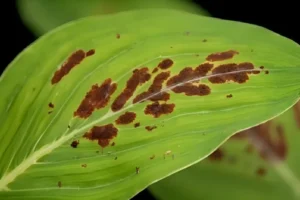
- Yellow halos surrounding small brown or black spots
- Water-soaked appearance in affected leaf areas
- Rapid yellowing progressing from older to newer leaves
- Black streaking along leaf veins or margins
Pseudobulb symptoms:
- Soft, dark areas that feel different from surrounding healthy tissue
- Wrinkled appearance without corresponding water stress
- Discoloration ranging from yellow to deep brown or black
Early Warning Indicators vs. Advanced Infections
Early stage characteristics:
- Symptoms confined to single roots or leaf sections
- Firm tissue with slight discoloration
- Minimal odor or plant stress signs
- Localized symptoms that haven’t spread to other plant parts
Advanced infection markers:
- Multiple plant parts showing simultaneous symptoms
- Soft, collapsing tissues throughout affected areas
- Strong, unpleasant odors indicating extensive tissue breakdown
- Rapid symptom progression over 24-48 hour periods
Differentiating Fungal from Bacterial Issues
This distinction is crucial for selecting appropriate treatments:
Fungal infections typically present:
- Dry, crisp margins around affected areas
- Slower progression compared to bacterial issues
- Visible fungal structures (fuzzy growth) in advanced cases
- Response to reduced humidity and improved air circulation
Bacterial infections characteristically show:
- Water-soaked, translucent appearance in affected tissues
- Rapid overnight progression
- Foul, fishy odors from decomposing tissue
- Slimy texture in severely affected areas
Most Common Types of Orchid Fungal Infections
Understanding specific fungal pathogens enables targeted treatment approaches with significantly higher success rates.
Black Rot (Pythium and Phytophthora)
Pythium and Phytophthora species represent the most aggressive orchid fungal pathogens. Research from Penn State University identifies these organisms as responsible for approximately 60% of fatal orchid infections in cultivation settings.
Identification characteristics:
- Rapid blackening of roots and pseudobulbs
- Water-soaked appearance spreading upward from roots
- Complete tissue collapse within 48-72 hours
- Sweet, rotting odor from affected plant parts
Optimal conditions for development:
- Temperatures between 75-85°F
- Consistent moisture on plant surfaces
- Poor drainage in growing medium
Crown Rot and Root Rot Fungi
Fusarium and Rhizoctonia species commonly cause crown and root rot infections, particularly in Phalaenopsis and Paphiopedilum orchids.
Distinctive symptoms:
- Brown discoloration starting at root tips
- Gradual yellowing of lower leaves
- Soft, collapsing crown tissue
- Reduced growth rate and flowering
Leaf Spot Diseases
Alternaria, Colletotrichum, and Cercospora species create characteristic leaf spot patterns:
- Circular brown spots with yellow halos
- Concentric ring patterns in advanced lesions
- Premature leaf drop in severe infections
- Reduced photosynthetic capacity
Fusarium Wilt
Fusarium oxysporum variants attack vascular systems, causing:
- Yellowing leaves despite adequate care
- Stunted growth patterns
- Brown streaking in pseudobulb cross-sections
- Gradual plant decline over several months
Step-by-Step Treatment Protocol for Orchid Fungal Infections
Successful treatment requires systematic approach combining immediate intervention with sustained follow-up care.
Immediate Emergency Actions
Within the first 2 hours of identification:
- Isolate affected plants immediately to prevent spore spread
- Stop all watering and remove from humid environments
- Improve air circulation around affected plants
- Remove obviously infected tissue using sterilized cutting tools
- Document symptoms with photos for treatment tracking
Sterilization protocol:
- Use 70% isopropyl alcohol or 10% bleach solution
- Sterilize tools between each cut
- Dispose of infected tissue in sealed bags
Fungicide Selection and Application
Research from the University of Georgia demonstrates superior efficacy with systemic fungicides containing:
Primary active ingredients:
- Propiconazole for broad-spectrum coverage
- Thiophanate-methyl for systemic protection
- Copper-based compounds for contact action
Application protocol:
- Mix fungicide according to manufacturer specifications
- Apply to all plant surfaces including healthy areas
- Ensure complete coverage of root system and growing medium
- Repeat applications every 7-14 days for 3-4 treatments
- Monitor response and adjust treatment intensity accordingly
Surgical Intervention Techniques
For advanced infections requiring tissue removal:
- Remove all discolored tissue plus 1 inch of healthy-appearing tissue
- Cut at angles to prevent water accumulation on wound surfaces
- Apply fungicidal paste to large cut surfaces
- Allow wounds to callus for 24-48 hours before normal care
- Monitor healing progress for 2-3 weeks post-surgery
Prevention Strategies That Actually Work
Long-term success depends on creating environments that naturally suppress fungal development while supporting optimal orchid health.
Optimizing Growing Conditions
Air circulation requirements:
- Maintain continuous gentle air movement (0.5-2 mph)
- Position fans to create indirect airflow patterns
- Avoid stagnant air pockets in growing areas
- Use oscillating fans for even distribution
Humidity management:
- Target 50-70% relative humidity
- Use humidity trays rather than misting
- Monitor with digital hygrometers
- Adjust ventilation during high humidity periods
Proper Watering Techniques
Timing strategies:
- Water early morning to allow complete drying by evening
- Never water at night when temperatures drop
- Observe individual plant needs rather than rigid schedules
- Use tepid water (65-75°F) to avoid temperature shock
Method optimization:
- Water thoroughly until excess drains freely
- Allow complete drainage before returning to growing position
- Empty drainage saucers within 30 minutes
- Use quality water (reverse osmosis or collected rainwater preferred)
Quarantine and Hygiene Protocols
New plant integration:
- Quarantine for minimum 30 days
- Inspect weekly for emerging problems
- Treat preventively with broad-spectrum fungicide
- Gradually acclimate to main growing conditions
Ongoing sanitation:
- Sterilize tools between plants
- Replace growing media every 18-24 months
- Clean growing areas monthly with fungicidal solutions
- Remove debris immediately from growing areas
When to Seek Professional Help vs. DIY Treatment
DIY treatment appropriate for:
- Early-stage infections confined to small areas
- Single plant infections in otherwise healthy collections
- Familiar fungal types you’ve successfully treated before
- Stable environmental conditions supporting recovery
Professional consultation recommended for:
- Multiple simultaneous infections across different plants
- Recurring problems despite proper treatment
- Valuable or irreplaceable specimens
- Uncertainty about pathogen identification
Red flag situations requiring immediate expert help:
- Rapid collection-wide spread
- Failure to respond to appropriate treatments
- Suspected viral complications
- Environmental factors beyond your control
Conclusion
Orchid fungal infections need not be the collection-ending disasters many growers fear. With proper identification skills, evidence-based treatment protocols, and consistent prevention strategies, you can protect your orchids and maintain thriving collections for decades.
The key lies in early detection, swift action, and creating growing environments that naturally support plant health while suppressing pathogenic organisms. Remember that every challenge overcome makes you a more skilled and confident orchid grower.
Moving forward, focus on implementing systematic monitoring routines, maintaining optimal growing conditions, and building your diagnostic skills through careful observation. The investment in prevention will always exceed the costs of treatment, both financially and emotionally.
Stay connected with current research from institutions like Cornell University, University of Florida, and Royal Botanic Gardens for the latest developments in orchid pathology and treatment protocols.
Frequently Asked Questions
How quickly can fungal infections spread between orchids?
Under optimal conditions (high humidity, poor air circulation), aggressive fungi like Pythium can spread between plants within 24-48 hours through airborne spores and splashing water.
Can I use household products instead of commercial fungicides?
While diluted hydrogen peroxide (3% solution) and cinnamon have mild antifungal properties, commercial fungicides provide significantly higher efficacy rates for serious infections. Household remedies work best for prevention rather than treatment.
How long should I quarantine treated plants?
Maintain isolation for minimum 30 days post-treatment, monitoring weekly for symptom recurrence. Some systemic infections may require 60-90 day observation periods.
Are some orchid types more susceptible to fungal infections?
Yes, thin-leaved varieties like Phalaenopsis and terrestrial orchids generally show higher susceptibility than thick-leaved varieties like Cattleyas. Growing medium type also significantly affects infection risk.
What’s the most common mistake in fungal infection treatment?
Insufficient treatment duration. Many growers stop treatment when symptoms disappear, but fungi often require 3-4 complete treatment cycles to eliminate completely from plant tissues.