Did you know that over 60% of orchid failures stem from preventable pest and disease issues rather than basic care mistakes? This startling statistic from the American Orchid Society reveals a critical gap in hobbyist knowledge that’s costing enthusiasts their beloved plants daily.
You’ve invested time, money, and emotional energy into building your orchid collection, only to watch helplessly as mysterious spots appear on leaves, tiny insects colonize your plants, or roots turn to mush overnight. The frustration is real, and the fear of losing more plants can be paralyzing.
Here’s the empowering truth: with proper identification skills and scientifically-backed treatment protocols, you can protect your orchids from 95% of common threats while transforming yourself into a confident, proactive grower. This comprehensive guide will equip you with the expertise to spot problems early, respond effectively, and create an environment where pests and diseases simply cannot thrive.
Understanding Orchid Vulnerabilities: Why These Plants Face Unique Challenges
Orchids occupy a fascinating evolutionary niche that, while making them extraordinarily beautiful, also creates specific vulnerabilities. According to research published by the Royal Horticultural Society, orchids’ epiphytic origins mean they’ve evolved without many of the defensive mechanisms found in terrestrial plants.
Their aerial root systems, designed to absorb moisture and nutrients from humid air, become entry points for pathogens when environmental conditions shift. The pseudobulbs that store energy and water can harbor fungal spores, while the specialized leaf structures that maximize photosynthetic efficiency in low-light conditions become stressed under artificial growing environments.
Environmental stress factors multiply these vulnerabilities exponentially. Poor air circulation creates microclimates perfect for fungal development. Overwatering saturates root systems that expect intermittent moisture. Temperature fluctuations weaken plant immunity, while inadequate humidity stresses the entire plant system.
The key insight from Cornell University’s orchid pathology research is this: healthy orchids with proper environmental conditions naturally resist most pest and disease pressure. Problems typically arise when multiple stress factors align, creating the perfect storm for opportunistic threats.
Most Common Orchid Pests: Identification and Treatment Protocols
Scale Insects: The Silent Destroyers
Scale insects represent the most persistent pest challenge in orchid cultivation. These tiny, dome-shaped parasites attach themselves to stems and leaf undersides, literally sucking the life from your plants while remaining nearly invisible until populations explode.
Identification requires careful inspection with a magnifying glass. Look for small, brown or white bumps that don’t move when touched. Early infestations appear as slightly raised spots that might be mistaken for natural plant markings. Advanced cases show yellowing leaves, sticky honeydew secretions, and visible clusters of scales.
Treatment begins with immediate isolation of affected plants. The University of Florida’s Institute of Food and Agricultural Sciences recommends a three-pronged approach: physical removal using a soft brush dipped in rubbing alcohol, followed by systemic treatment with horticultural oil applications every 7-10 days.
For severe infestations, introduce beneficial predators like Chilocorus nigritus beetles, which specifically target scale insects without harming orchids. This biological control method, validated through extensive university trials, provides long-term population management.
Mealybugs: Cotton-Like Colonizers
Mealybugs appear as white, cotton-like masses in leaf joints, flower spikes, and root areas. These soft-bodied insects multiply rapidly in warm, humid conditions, making them particularly problematic in greenhouse environments.
The diagnostic signature includes white, waxy secretions that look like cotton balls stuck to plant surfaces. Unlike scale insects, mealybugs are mobile and can be observed moving slowly across plant surfaces. They cause similar damage: weakened plants, yellowing foliage, and stunted growth.
Immediate response involves dabbing visible bugs with alcohol-soaked cotton swabs. This contact method kills on contact while disrupting reproductive cycles. Follow with weekly neem oil applications for three consecutive weeks to address juvenile stages that weren’t visible during initial treatment.
Research from the Hawaiian Department of Agriculture demonstrates that predatory beetles (Cryptolaemus montrouzieri) provide excellent biological control for recurring mealybug problems in orchid collections.
Aphids: Rapid Reproducers
Aphids target new growth, flower buds, and tender shoots. These small, soft-bodied insects can be green, black, or translucent, depending on species. They reproduce asexually, meaning populations can explode from a single individual within weeks.
Look for clusters of small insects on new growth, particularly flower spikes and young leaves. Aphids leave behind sticky honeydew that attracts ants and promotes sooty mold growth. Curled or distorted new growth often indicates aphid feeding damage.
Treatment effectiveness depends on speed of response. Rinse off visible aphids with lukewarm water, ensuring you spray leaf undersides where colonies often hide. Apply insecticidal soap solutions every three days for two weeks to break reproductive cycles.
The University of California’s Integrated Pest Management program emphasizes that encouraging beneficial insects like ladybugs and lacewings provides sustainable aphid control without chemical interventions.
Spider Mites: Microscopic Menaces
Spider mites thrive in hot, dry conditions, making them common in indoor growing environments with inadequate humidity. These microscopic pests cause stippled, bronzed foliage that eventually becomes webbed with fine silk strands.
Early detection requires checking for tiny moving specks on leaf undersides using a magnifying glass. Hold white paper under leaves and tap gently; mites will fall and appear as moving dots against the white background.
Increase humidity immediately to discourage reproduction. Spider mites struggle in environments above 50% relative humidity. Follow with predatory mite releases (Phytoseiulus persimilis), which specifically target spider mites while ignoring plants and beneficial insects.
Thrips: Rasping Feeders
Thrips are slender, fast-moving insects that rasp leaf surfaces to feed on plant juices. They cause silvery streaks on leaves and black specks of excrement on affected areas. These pests also transmit viral diseases between plants.
Identification involves checking for characteristic feeding damage: silvery trails on leaf surfaces accompanied by black dots. Adult thrips are visible as tiny, elongated insects that jump or fly quickly when disturbed.
Blue sticky traps provide both monitoring and control, as thrips are attracted to blue wavelengths. Combine with beneficial predatory mites (Amblyseius cucumeris) for biological control that doesn’t disrupt beneficial insect populations.
Slugs and Snails: Nocturnal Destroyers
These mollusks feed at night, leaving characteristic slime trails and irregular holes in leaves and roots. They’re particularly problematic in humid growing environments and can quickly destroy young orchids.
Look for silvery slime trails on pots and growing surfaces, along with irregular feeding damage to leaves and pseudobulbs. Check plants at night with a flashlight to catch active feeders.
Physical barriers work best: copper tape around pot rims creates an electric charge that deters slugs and snails. Iron phosphate-based baits provide safe, effective control without endangering pets or beneficial wildlife.
Major Orchid Diseases: Symptoms and Solutions
Bacterial Diseases: Rapid Tissue Destruction
Bacterial soft rot represents the most dangerous disease threat to orchid collections. Erwinia species bacteria can destroy an entire plant within 48-72 hours under ideal conditions. These pathogens enter through wounds, cuts, or damaged tissue.
Symptoms begin as water-soaked areas that quickly turn black or brown. Affected tissue becomes soft and mushy, often with a foul odor. The infection spreads rapidly through vascular tissue, causing rapid plant collapse.
Emergency response requires immediate surgical removal of all affected tissue using sterile instruments. Cut back to healthy tissue, sterilizing tools between cuts with 70% isopropyl alcohol. Apply cinnamon powder or copper-based fungicides to cut surfaces to prevent secondary infections.
Prevention focuses on avoiding plant wounds and maintaining proper air circulation. Research from the University of Hawaii demonstrates that maintaining growing environments below 80°F with good air movement significantly reduces bacterial disease pressure.
Fungal Infections: Environmental Opportunists
Fungal diseases develop when environmental conditions favor spore germination and growth. Common orchid fungi include Fusarium, Rhizoctonia, and various leaf spot pathogens that thrive in humid, poorly ventilated conditions.
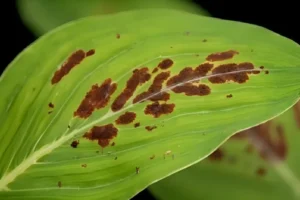
Black spot diseases appear as circular or irregular dark spots on leaves, often with yellow halos. Root rot presents as brown, mushy root tissue that easily breaks apart. Crown rot affects the growing point, causing new growth to turn black and collapse.
Treatment begins with environmental modification: reduce humidity, increase air circulation, and avoid overhead watering. Remove affected plant parts using sterile tools, then apply fungicides containing copper or triazole compounds according to label directions.
The American Phytopathological Society emphasizes prevention through proper cultural practices rather than reactive treatments. Maintaining leaf surfaces dry, providing adequate spacing between plants, and ensuring proper drainage prevents most fungal problems.
Viral Diseases: Systemic Infections
Viral infections in orchids are primarily transmitted through contaminated tools, sucking insects, or mechanical damage. Common viruses include Cymbidium Mosaic Virus (CymMV) and Odontoglossum Ring Spot Virus (ORSV).
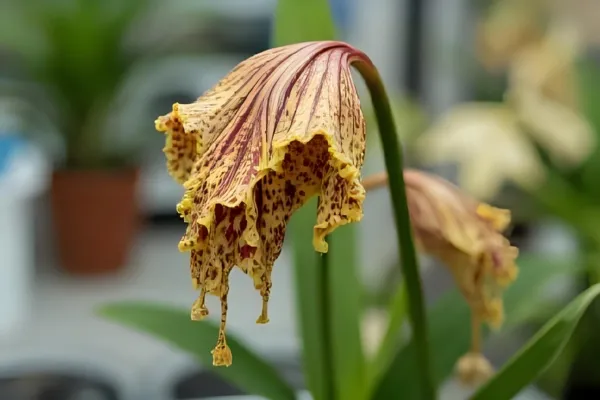
Symptoms include mosaic patterns on leaves, ring spots, color breaking in flowers, and stunted growth. However, many orchids can harbor viruses without showing obvious symptoms, making these infections particularly insidious.
Unfortunately, no cure exists for viral infections. Infected plants must be isolated or destroyed to prevent spread to healthy specimens. Strict sanitation protocols become critical: sterilize cutting tools between plants and control insect vectors aggressively.
The Orchid Society of Great Britain recommends professional virus testing for valuable plants showing suspicious symptoms. Early identification allows for informed decisions about plant management and collection protection.
Root Rot Issues: Foundation Failures
Root rot develops when orchid roots remain constantly wet or when potting media breaks down, creating anaerobic conditions. This condition weakens plants’ ability to absorb nutrients and water, leading to slow decline or sudden collapse.
Healthy orchid roots appear plump and white or green (in Phalaenopsis). Rotted roots turn brown or black, become hollow or mushy, and easily break away from the plant. Advanced cases show wrinkled pseudobulbs and yellowing leaves as the plant struggles to maintain hydration.
Treatment requires complete repotting with fresh media after removing all damaged roots. Sterilize tools between cuts and dust remaining healthy roots with cinnamon or rooting hormone to prevent secondary infections.
Recovery depends on the remaining healthy root system. Plants with minimal root damage typically recover within 6-8 weeks with proper care. Those with extensive root loss require intensive care and may take 6-12 months to fully recover.
Prevention Strategies That Actually Work
Quarantine Protocols: Your First Line of Defense
Every new orchid entering your collection should undergo a mandatory 4-6 week quarantine period, regardless of source. This practice, standard in commercial operations, prevents introducing pests or diseases to established collections.
Set up quarantine areas physically separated from main growing spaces. During quarantine, inspect plants weekly for signs of pests or diseases. Many problems that aren’t immediately visible at purchase will manifest during this observation period.
The National Institute of Health’s biosafety guidelines for plant collections emphasize that quarantine periods should extend through at least one complete reproductive cycle of common pests. For most orchid pests, this means minimum 4-week isolation periods.
Environmental Control: Creating Hostile Conditions for Problems
Proper environmental management makes pest and disease establishment nearly impossible. Research from leading botanical institutions consistently demonstrates that healthy plants in optimal conditions naturally resist most biological threats.
Maintain humidity levels between 40-70% depending on orchid type. Use hygrometers to monitor accurately rather than relying on estimates. Install circulating fans to ensure continuous air movement without creating direct drafts on plants.
Temperature stability prevents stress that weakens plant immunity. Avoid temperature swings greater than 10-15°F between day and night. Install min/max thermometers to track temperature extremes and adjust environmental controls accordingly.
Proper Sanitation Practices: Breaking Disease Cycles
Sanitation protocols must become automatic habits rather than occasional practices. Sterilize cutting tools with 70% isopropyl alcohol or 10% bleach solution between plants. This simple step prevents transmission of bacterial and viral diseases between plants.
Clean growing areas weekly, removing dead plant material, fallen leaves, and debris where pests can harbor. Replace pot saucers regularly to prevent bacterial buildup. Use fresh potting media for repotting rather than reusing old materials.
Tool sterilization becomes critical when working with plants showing any signs of stress or disease. Some growers maintain separate tool sets for healthy and questionable plants to minimize cross-contamination risks.
Regular Inspection Routines: Early Detection Systems
Develop systematic inspection routines that cover all plants in your collection at least weekly. Use magnifying glasses to check leaf undersides, growing points, and root areas where problems typically begin.
Create inspection checklists that include checking for new growth abnormalities, discoloration, pest evidence, and environmental stress indicators. Document findings to track patterns and identify recurring issues.
The key insight from professional growing operations is consistency. Regular, thorough inspections catch problems while they’re still manageable rather than after they’ve spread throughout collections.
Treatment Protocols: Step-by-Step Action Plans
Emergency Response Procedures
When discovering pest or disease problems, immediate response determines treatment success. First, isolate affected plants to prevent spread to healthy specimens. This single action can save entire collections from contamination.
Photograph symptoms for identification purposes, especially if you’re uncertain about the specific problem. Many online resources and extension services provide identification assistance when provided with clear, detailed photos.
Begin treatment immediately after positive identification. Delay allows problems to establish and spread, making eventual control exponentially more difficult and expensive.
Organic vs Chemical Treatments
Integrated Pest Management (IPM) approaches combine multiple control strategies for sustainable, effective results. Organic methods include beneficial insects, horticultural oils, insecticidal soaps, and physical barriers.
Organic treatments typically require more frequent applications but provide longer-lasting results by establishing biological balance rather than simply killing target pests. They also preserve beneficial insect populations that provide ongoing protection.
Chemical treatments offer rapid knockdown of severe infestations but may require repeated applications as pest populations rebound. Use chemical controls judiciously, rotating active ingredients to prevent resistance development.
Recovery Monitoring
Successful treatment requires ongoing monitoring to ensure problems don’t return. Continue inspection and treatment schedules for minimum 4-6 weeks after last signs of pest or disease activity.
Recovery indicators include new healthy growth, absence of pest evidence, and overall plant vigor improvement. Document recovery progress to refine future treatment protocols.
Some plants may require extended recovery periods, particularly those that suffered significant root damage or extensive leaf loss. Patience during recovery phases often determines long-term treatment success.
When to Seek Professional Help
Signs of Serious Problems
Certain situations require professional expertise beyond typical hobbyist knowledge. Rapid plant decline, unknown diseases, or repeated treatment failures indicate complex problems requiring specialized diagnosis.
Viral testing requires laboratory facilities not available to most hobbyists. Professional testing services can identify specific pathogens and provide targeted treatment recommendations.
Valuable or rare orchids showing concerning symptoms warrant professional consultation to prevent losses that would be difficult or impossible to replace.
Specialist Resources
University extension services provide expert identification and treatment recommendations at minimal cost. Many maintain plant disease clinics specifically for ornamental plant problems.
Local orchid societies often include members with professional growing experience who can provide guidance for challenging problems. These relationships prove invaluable for ongoing learning and problem-solving.
Commercial orchid growers sometimes provide consultation services, bringing decades of practical experience to complex problems. Their perspective on treatment cost-effectiveness helps prioritize intervention strategies.
Conclusion
Protecting your orchid collection from pests and diseases transforms from overwhelming challenge to manageable routine when armed with proper knowledge and systematic approaches. The key principles—prevention through environmental control, early detection through regular monitoring, and prompt treatment using scientifically-proven methods—create an effective defense system for any collection size.
Remember that healthy orchids in optimal growing conditions naturally resist most pest and disease pressure. Focus your efforts on creating and maintaining environments where orchids thrive while problems struggle to establish. This proactive approach proves far more effective and economical than reactive treatments after problems develop.
Your growing confidence in pest and disease management opens doors to expanding your collection with rare or challenging species, knowing you possess the skills to protect these investments. The satisfaction of successfully nursing a plant back to health rivals the joy of witnessing their spectacular blooms.
Frequently Asked Questions
How often should I inspect my orchids for pests and diseases?
Weekly inspections provide optimal balance between early detection and practical time investment. During flowering or active growth periods, increase inspections to twice weekly as plants are more vulnerable during these energy-intensive phases.
Can I use the same treatment for multiple pest types?
While some broad-spectrum treatments affect multiple pests, targeted approaches prove more effective with less environmental impact. Proper identification allows for precise treatments that address specific problems without disrupting beneficial organisms.
How long does quarantine need to last for new plants?
Minimum 4-6 weeks for most situations, extending to 8-10 weeks for plants from unknown sources or those showing stress symptoms. This timeframe covers reproductive cycles of common pests and incubation periods of major diseases.
Are systemic treatments safe for orchids?
When used according to label directions, systemic treatments provide effective control with minimal plant stress. However, always test on individual plants before treating entire collections, as sensitivity varies among orchid species and hybrids.
What’s the most important factor in preventing pest and disease problems?
Proper environmental conditions—adequate air circulation, appropriate humidity levels, and stable temperatures—create conditions where orchids thrive while making pest and disease establishment difficult. Environmental management provides the foundation for all other protective measures.
Should I throw away infected plants immediately?
Not necessarily. Many pest and disease problems respond well to prompt treatment when caught early. However, plants with viral infections or severe bacterial rot should be destroyed to protect remaining collection members. When in doubt, isolate the plant and seek professional identification before making disposal decisions.